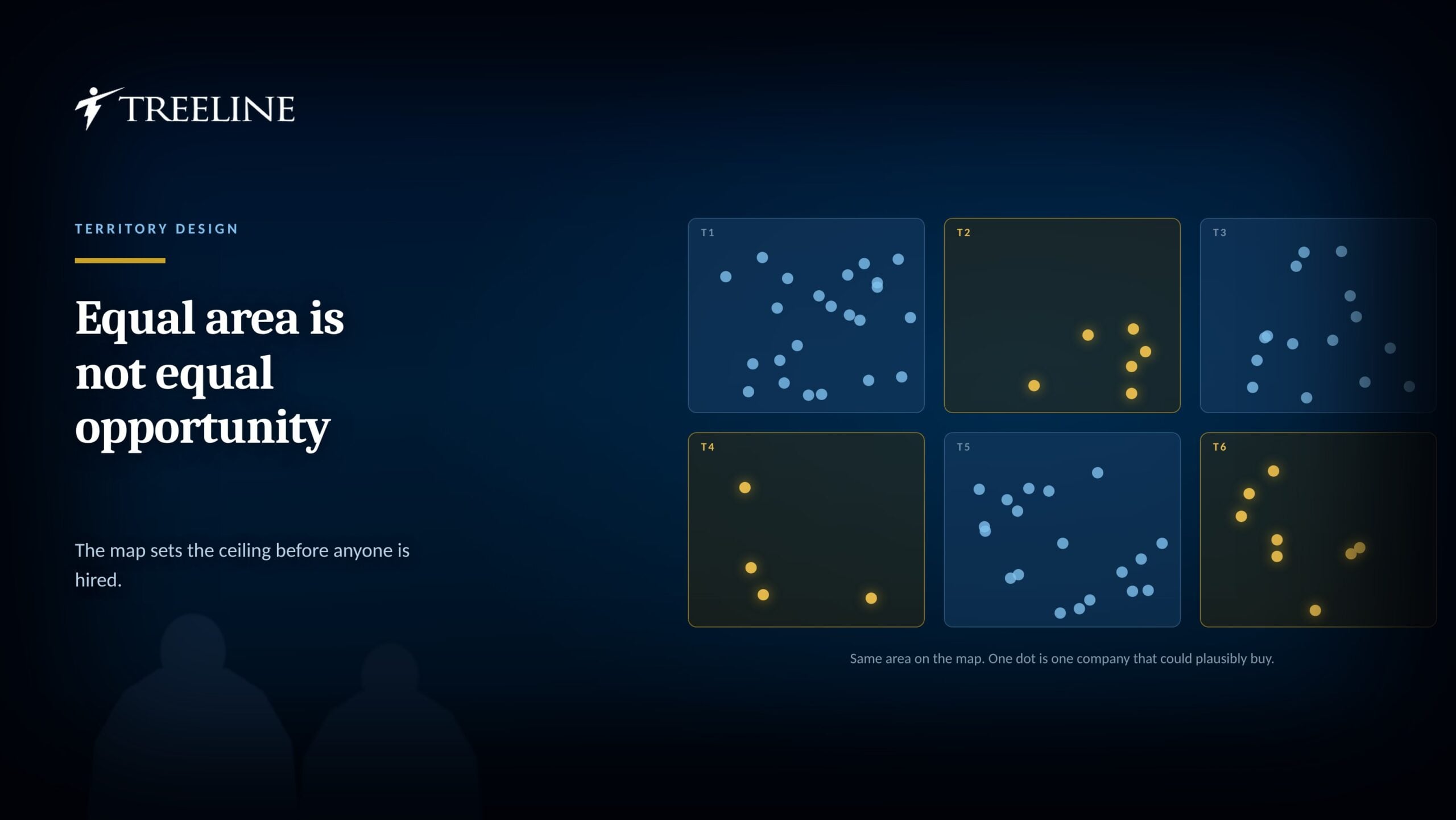
A strong seller joins an automation business in February, works a serious opportunity for five months, gets technical approval, and then watches the project disappear into next year’s capital budget. Nothing went wrong. The deal was never going to close in that fiscal year, because the money it needed did not exist yet and would not exist until a planning cycle nobody in the sales organization controls came around again.
That mismatch, a quarterly sales cadence turning against a customer’s capital cycle, is the defining feature of selling automation, and it is the thing most hiring processes never test for. A seller who has only worked where budget is operational and decisions are annual will read a slipped project as failure, lose confidence, and leave before the hire ever paid back.
This article covers what that means for the search. These roles are commonly filled under a contingency sales recruiting arrangement, and the comparison against an exclusive engagement is set out in contingency hire vs retained search. The wider vertical, plant-floor equipment, components, production systems, sits with Treeline’s manufacturing sales recruiters practice. What follows is specific to the controls, systems and automation end of it, where the buyer is an engineer and the purchase is a capital project.
Dan Fantasia, CEO of Treeline, Inc., frames this as a timing problem rather than a selling problem. His view is that the automation hire fails for a reason that has nothing to do with the person’s ability to sell: they were assessed against a pipeline that moves at a pace the customer’s balance sheet does not permit.
What Industrial Automation Sales Recruiting Is Actually Assessing
Four capabilities carry a seller here, and only one of them is a conventional sales skill.
Technical standing with an engineer. The buyer is frequently a controls engineer, a plant manager or an operations leader who has been doing this longer than the seller has been selling. They are not hostile; they are simply unimpressed by anything that is not specific. A seller who cannot discuss the application, throughput, cycle time, what the existing line does and where it is constrained, gets a polite meeting and no second one. This is a gate, not a preference, and it is the hardest requirement to fake.
Patience that survives a slipped capital cycle. Projects move because budget moves. The seller has to keep an opportunity warm across a planning cycle without treating the delay as a loss, while still telling the difference between a project that is waiting for money and one that quietly died. Reading that wrong in either direction is expensive.
Working with an integrator rather than around one. A system integrator or distributor is often in the middle of the transaction, and sometimes holds the relationship. The seller has to be useful to that party without conceding the account, which is a specific political skill. Note this is not the same job as building and managing a partner program, which is its own discipline and is covered in channel sales recruiting.
Selling against the cost of stopping. The buyer’s dominant anxiety is downtime. Changing a working system risks production, and the person who approves the change owns that risk personally. The effective seller gives them a way to de-risk it, a pilot cell, a phased cutover, a reference site at similar scale, rather than arguing that the new system is better.
Why Industrial Automation Sales Recruiting Cannot Hire on Quota Attainment
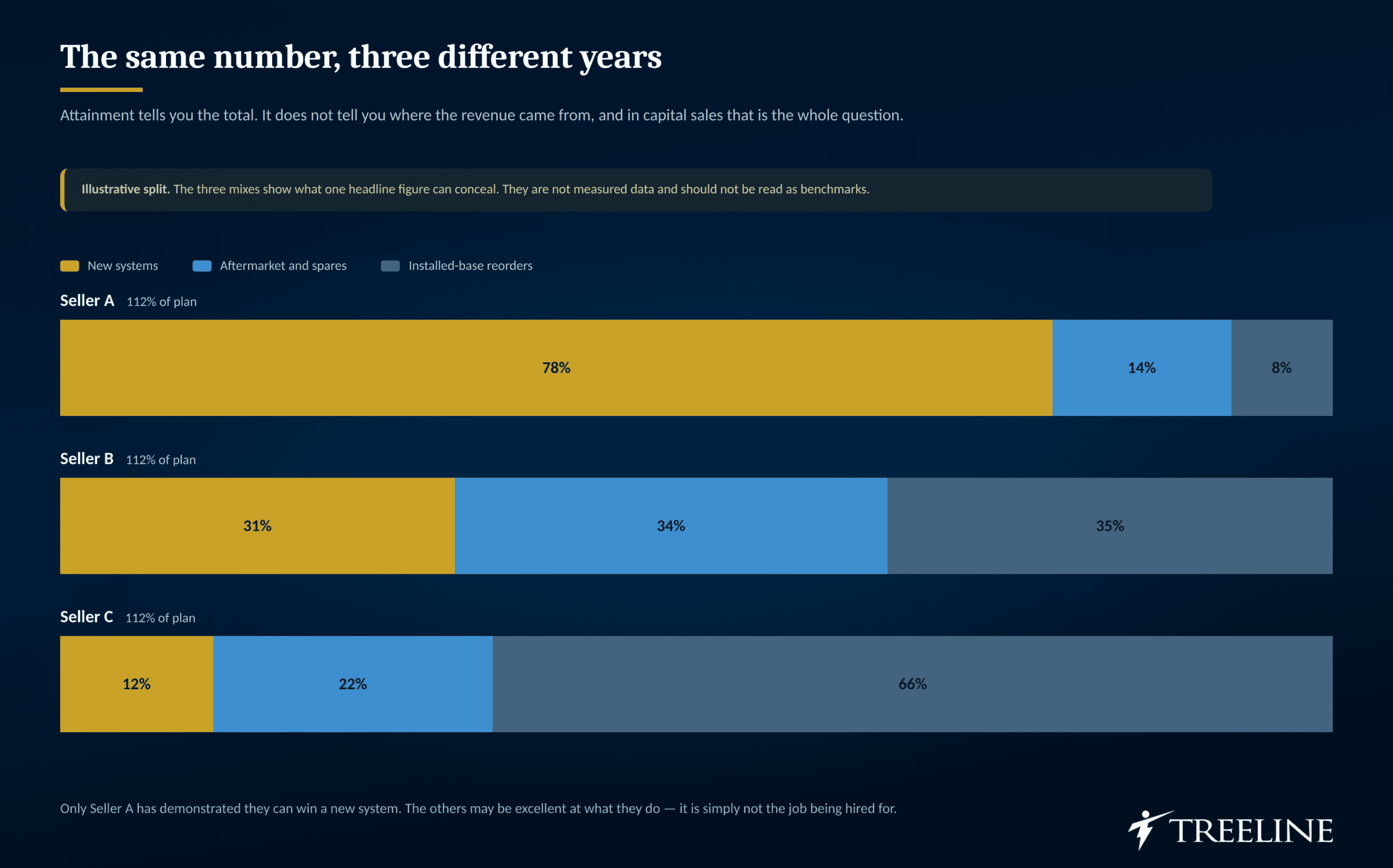
Attainment is the most available number on these résumés and one of the least informative, for reasons specific to capital sales.
Project revenue is lumpy, so a year is a small sample. A seller who closed one large system has a different year from one who closed eleven component orders, and the percentages can look identical. Worse, a single project slipping across a year boundary moves a seller from 140 percent to 70 percent without anything about their work changing.
Much of the number may be aftermarket. Service contracts, spares and retrofits attach to an installed base that somebody else built. That revenue is real and it is not evidence the candidate can win a new system. Asking what share of their number came from accounts that were already customers separates the two quickly.
Specification work does not appear in the record at all. In automation the most valuable work often happens eighteen months before the purchase order, when a seller gets their technology written into a specification. Nothing in a quota record shows that, and a candidate who does it well may look ordinary on paper while being the reason their employer wins later.
Fantasia’s practical response is to stop asking what the candidate closed and start asking what they specified. He treats early-stage influence over a specification as the clearest evidence of technical credibility available, precisely because it cannot be claimed after the fact by someone who was not there.
What Industrial Automation Sales Recruiting Should Test
Reconstruction works better than discussion, and the subject should be the application rather than the pitch.
Walk one system sale from first conversation to purchase order. How long it took, what the budget cycle did to it, who the engineer was and what they were worried about, what changed in the specification along the way. Candidates who have done this describe the plant. Candidates who have not describe the product.
Ask about a project that slipped a year. What they did during the wait, how they knew it was still alive, and what the trigger was when it came back. The quality of this answer is the best available proxy for whether they will survive their own first year.
Have an engineer in the room for twenty minutes. Not to quiz the candidate on trivia, but to see whether a technical conversation is comfortable or performed. This is uncomfortable to arrange and it is the single fastest disqualifier in the process.
Ask what they would do if an integrator tried to own the account. There is no right answer, and the reasoning reveals whether they have lived in a three-party sale or only read about one.
Separate new systems from installed base. For each significant number they cite, was the account already a customer. This is the question that resolves the attainment problem above, and strong candidates answer it without defensiveness.
Where Industrial Automation Sales Recruiting Finds Candidates
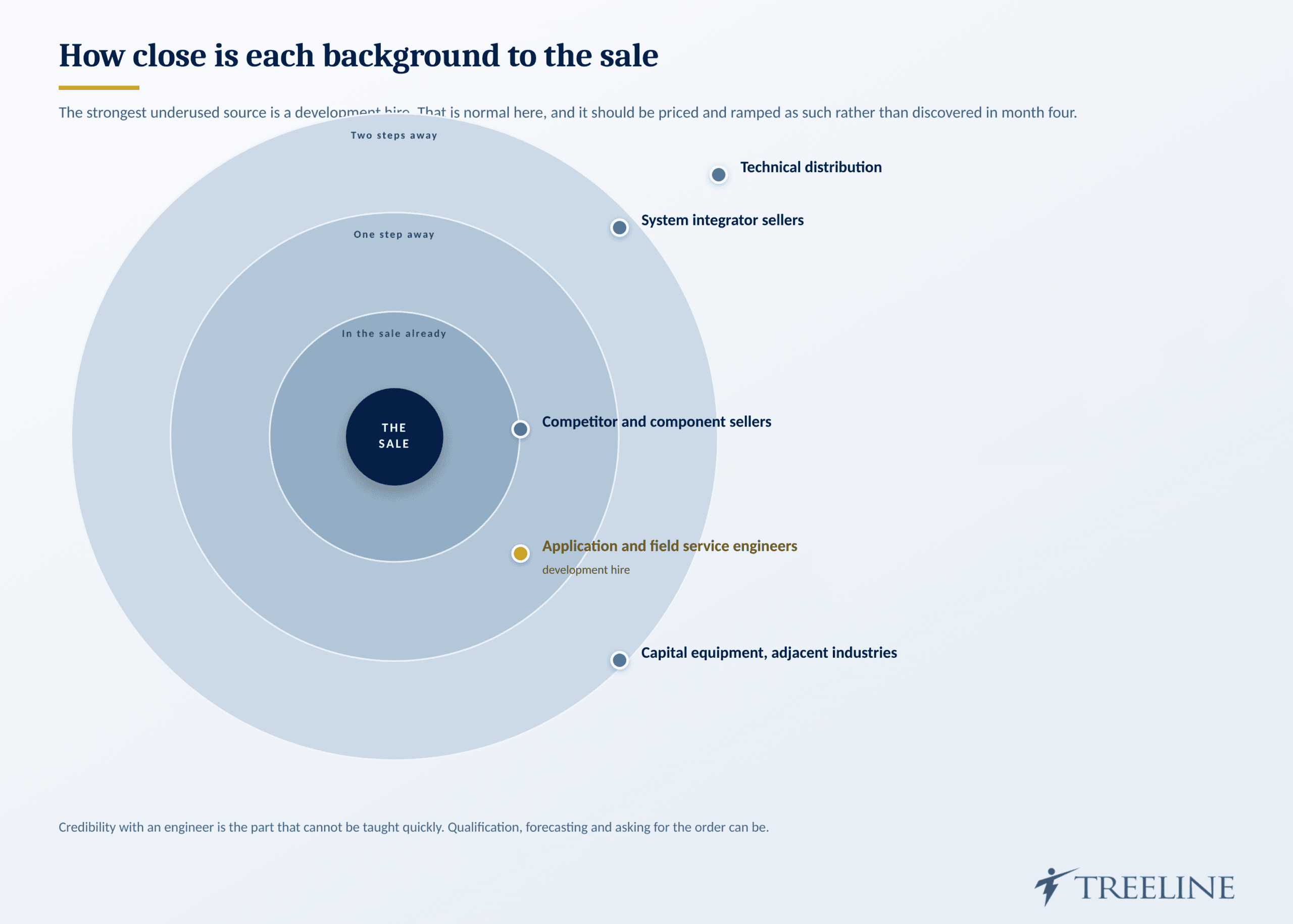
The population is smaller than general B2B and larger than it appears, because several of the best sources do not currently hold a sales title.
Sellers at direct competitors and adjacent component makers. Fastest to productivity and the most contested. The question worth asking is whether their relationships are with engineers or with purchasing, because only one of those transfers.
Application and field service engineers. The strongest underused source by a distance. They have the technical standing, they have been on the plant floor, and customers already trust them. What they lack is commercial structure, qualification, forecasting, asking for the order, which is teachable in a way that credibility is not.
Sellers from system integrators. They have seen the three-party dynamic from the inside and understand specification work. Many have sold projects rather than products, which transfers well.
Capital equipment sellers from adjacent industries. Packaging, material handling, test and measurement. The cycle literacy transfers even where the technology does not, and cycle literacy is the part that takes longest to learn.
Technical distribution. People who have sold through or for a distributor know the channel economics and usually carry a territory’s worth of plant relationships.
The strongest underused source on that list, application and field service engineers, is a development hire rather than a lateral one. That is normal in this vertical, and it should be priced and ramped as such rather than discovered in month four.
Why the Contingency Model Suits This Search
Three characteristics of an automation search align with a contingency arrangement.
The population is identifiable but genuinely passive. Application engineers and technical sellers are employed, are not browsing postings, and in many cases have never considered a commercial role until approached. That is direct-approach work, and a company paying on placement pays for that reach only when it produces a hire.
The roles are not confidential. Adding commercial capacity to an automation business is not sensitive information, which removes the clearest argument for a retained engagement.
The brief sharpens during the search. Companies often begin asking for a seller with deep domain experience and discover, after meeting a few application engineers, that they would rather buy credibility and teach selling. A non-exclusive arrangement absorbs that change without renegotiation.
The honest limit: where the requirement is genuinely narrow, a specific control platform sold into a specific process industry, with perhaps forty qualified people nationally, the work stops being recruiting and becomes mapping, and paying for the map through a retained engagement makes more sense. Fantasia’s position has stayed consistent across market cycles: the arrangement follows the shape of the population and the sensitivity of the role, not the seniority on the business card.
What Industrial Automation Sales Recruiting Asks of the Employer
Four decisions sit with the hiring company, and candidates in this market ask about all of them early.
Set the ramp against the capital cycle, not the fiscal year. If a typical system takes twelve to eighteen months from first conversation to purchase order, a seller hired in March may close nothing in their first year while doing the job correctly. A plan that does not acknowledge this produces a sequence of departures that look like hiring failures.
Decide what progress means before revenue. A specification won, a site survey completed, a pilot agreed, a budget line confirmed for next cycle. These are the real leading indicators, and agreeing them at offer stage prevents the month-seven conversation in which the company is anxious and the seller is being judged against a standard nobody set.
Be clear about the channel. Whether the seller owns the account or supports an integrator who does, what happens when both are in the room, and who holds the margin. Ambiguity here is the most common reason a capable automation hire becomes frustrated.
Say what technical support exists. Whether an application engineer travels with them, who produces the sizing and the quote, and how fast. A seller expected to do their own application engineering is doing two jobs, and the strong candidates will work that out in the first conversation.
Reading the First Year
Revenue is a lagging and unreliable measure here, because the first full cycle will not have completed. What can be read is whether the seller is accumulating position.
By week eight, a named list of plants and what each one runs, not a list of companies, but a view of installed base and constraint. By week sixteen, technical conversations happening without the sales engineer in the room, which is the first evidence credibility is landing. By month six, at least one specification influenced, or a site survey completed, or a budget line identified for the next cycle. By month nine, a pipeline with dates derived from the customers’ planning calendars rather than from the company’s own quarters.
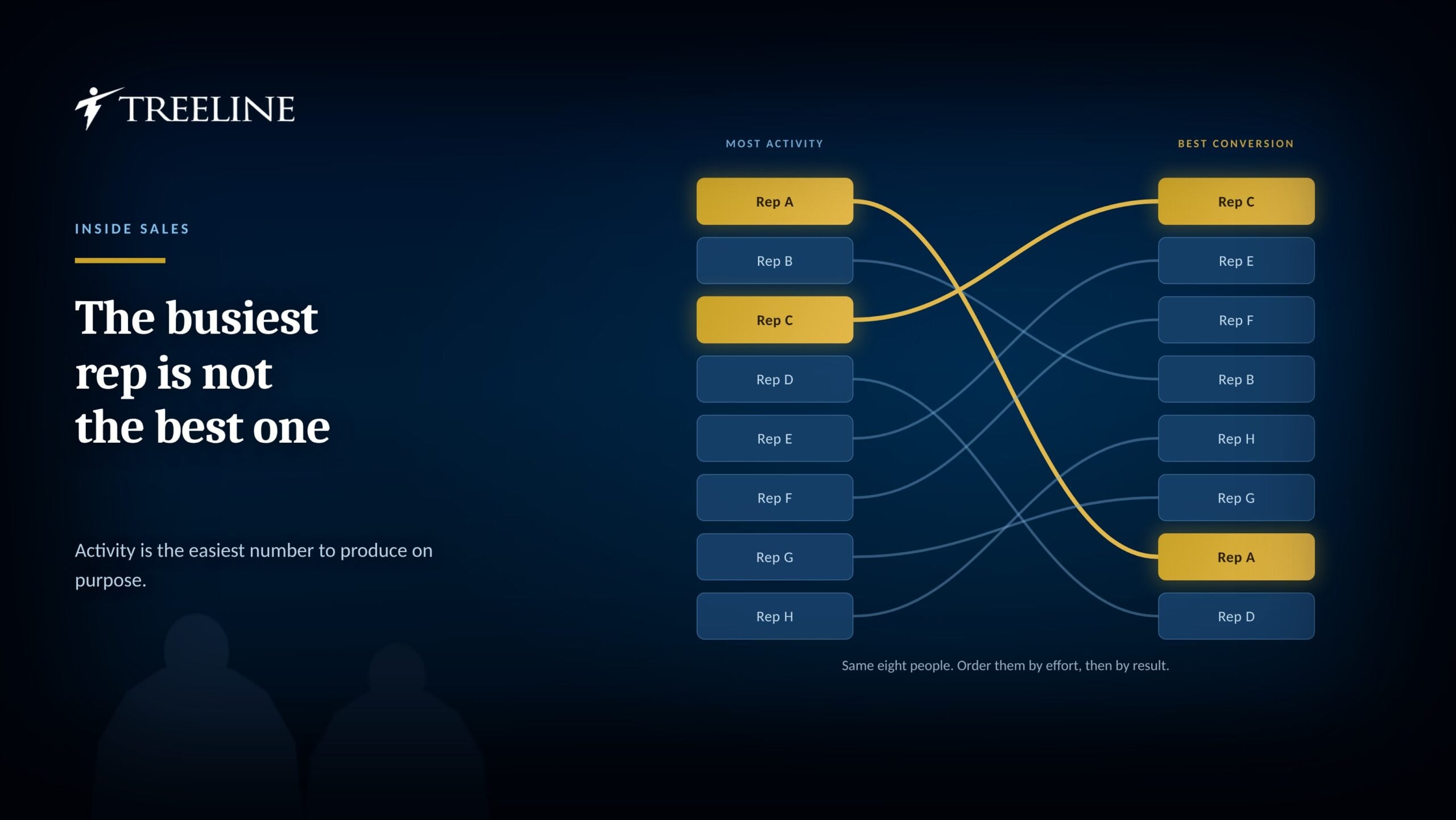
The failure signatures are specific. A pipeline full of opportunities with dates that match the seller’s fiscal quarters is usually a seller inventing timing rather than discovering it. Meetings that stay with purchasing and never reach engineering suggest technical standing has not been established. Activity that drifts toward the installed base, service renewals, spares, easy reorders, means the seller has found the comfortable part of the job, which is the quiet version of failure in a new-systems role.
Fantasia’s test at twelve months is whether the company has learned something about its customers’ capital plans that it did not know a year ago. If it has, the appointment is working whether or not revenue has arrived, because that knowledge is what makes the second and third projects predictable. If it has not, a number that landed on schedule probably came from an account that was already buying.
Frequently Asked Questions
What makes selling automation different from other technical sales?
The money. A purchase is a capital project tied to the customer’s planning cycle rather than an operating budget, so a deal can be technically won and still sit for a year waiting for the next cycle. The seller has to work at that pace without reading delay as loss, while still recognizing the difference between a project that is waiting and one that has died.
Why does one year of numbers tell you so little here?
Because project revenue is lumpy enough that a single year is a small sample, and one project crossing a year boundary can move a seller from well above plan to well below it without their work changing. A large share of the number may also come from aftermarket revenue attached to an installed base somebody else built.
Which part of the record actually transfers?
What they specified rather than what they closed. Getting a technology written into a specification happens a year or more before any purchase order, never appears in a quota record, and cannot convincingly be claimed by someone who was not in those conversations.
Should we hire an application or field service engineer into a sales role?
It is often the strongest available move, particularly where technical credibility is the binding constraint. They already have standing with the buyer and have been on the plant floor. What they need is commercial structure, qualification, forecasting, asking for the order, and that is teachable in a way that credibility is not.
How do we test technical credibility without a trivia quiz?
Put an engineer in the room for twenty minutes and talk about a real application. What is being assessed is whether a technical conversation is comfortable or performed. It is awkward to arrange and it disqualifies faster than any other stage in the process.
How should the compensation plan handle lumpy project revenue?
It has to carry the seller across a cycle that may exceed a year and reward the leading indicators rather than only closed orders, a specification won, a pilot agreed, a budget line confirmed. A plan built on a fiscal-year rhythm in a market that runs on capital planning produces departures that look like hiring failures.
What does the integrator relationship change about the hire?
It adds a third party who may hold the customer relationship and part of the margin. The seller has to be genuinely useful to that integrator without conceding the account, which is a political skill rather than a selling one, and candidates who have never worked a three-party deal tend to handle it badly in either direction.
No order will land this year. What do we watch instead?
By week eight, a view of which plants run what and where each is constrained. By week sixteen, technical conversations happening without a sales engineer present. By month six, a specification influenced or a budget line identified for the next cycle. Those are the real early signals.
Hire for the Cycle, Not the Quarter
Most automation searches are specified like any other B2B sales search and then judged on a calendar the customer does not use. The seller is assessed on persuasion, hired on attainment, and measured against quarters, when the job actually turns on technical standing and the patience to work a capital cycle to its own rhythm.
Write down how long a system really takes from first conversation to purchase order. Decide what progress looks like in the months before an order exists. Be honest about who owns the account when an integrator is in the room. Then run a search that tests the two things the vertical genuinely rewards, which are whether an engineer will take this person seriously and whether they can wait without losing their nerve.
Share This Story, Choose Your Platform!
Related Posts

What our happy clients are saying
Treeline Inc. provided us with the most candidates that aligned with our needs and were of the highest quality.

Dr. Jeffrey Klein Head of North America Sales, Satchel Pulse
Treeline Inc.’s collaborative, flexible, and communicative approach resulted in a smooth partnership. Beyond their recruitment expertise, their unique sourcing model was efficient and effective.

Sera Holt Director of Operations, LNS Research
Their professionalism was outstanding. Treeline Inc. was extremely thorough and ensured that we were on the same page before they started looking for candidates. They listened to us and did a great job working with the candidate to close out the process.

Cate Grant AVP Customer Success, Nasdaq
Thanks to Treeline Inc.’s intricate and thorough screening process, the company is able to hire six high-quality candidates that fit perfectly in the company’s culture. The team is highly receptive to concerns, and internal stakeholders are impressed with their unique recruitment abilities.

Anna McKean Sales Recruiter, Insider Intelligence
Treeline Inc. has been qualified individuals throughout a five-year-long engagement. They’ve made numerous placements of talented and qualified individuals for our business.

Michele St Laurent VP of HR, The Institute for Applied Network Security

Let Us Help You Source the Sales Talent You Need
Whether you’re building a team or replacing a key role, our Candidate Sourcing Platform provides a fast, flexible, and employer-focused solution.
Tell us more about your business and how we can help.
Treeline Inc.
Your Award-Winning Sales Recruitment Partner
15 Lincoln Street, Suite 314, Wakefield, MA 01880