Recruiting for top sales talent has always required speed, precision, and a deep understanding of both people and strategy. As competition grows tighter and digital transformation accelerates across all industries, companies can’t afford to leave their hiring success to chance. That’s where AI recruiting tools come into play. By blending advanced technology with proven recruitment processes, organizations and recruiters are redefining how sales teams are built and scaled for growth. The big question facing sales recruiters and employers is not if, but how these tools fit into a modern sales talent acquisition strategy, and how to capture real results from their implementation.
Book an introductory meeting to discuss optimized AI driven recruitment with Treeline.
The Rise of AI Recruiting Tools: More Than a Trend
Artificial intelligence is everywhere in business conversations, but what does it really mean for those responsible for building high performing sales organizations? For recruiters and sales leaders, the introduction of AI recruiting tools isn’t just a passing industry trend or a content marketing buzzword. These platforms fundamentally change the ways that sourcing, screening, and hiring takes place, particularly in the ever demanding world of sales talent acquisition.
AI recruiting tools have rapidly matured over the last three years, moving from experimental chatbots to powerful, enterprise grade systems that deliver measurable outcomes. In a recent industry survey by SHRM, over 55% of surveyed HR departments already use or are piloting some form of AI recruitment, and the adoption rate continues to climb in sales departments facing increased quotas and shorter hiring windows.
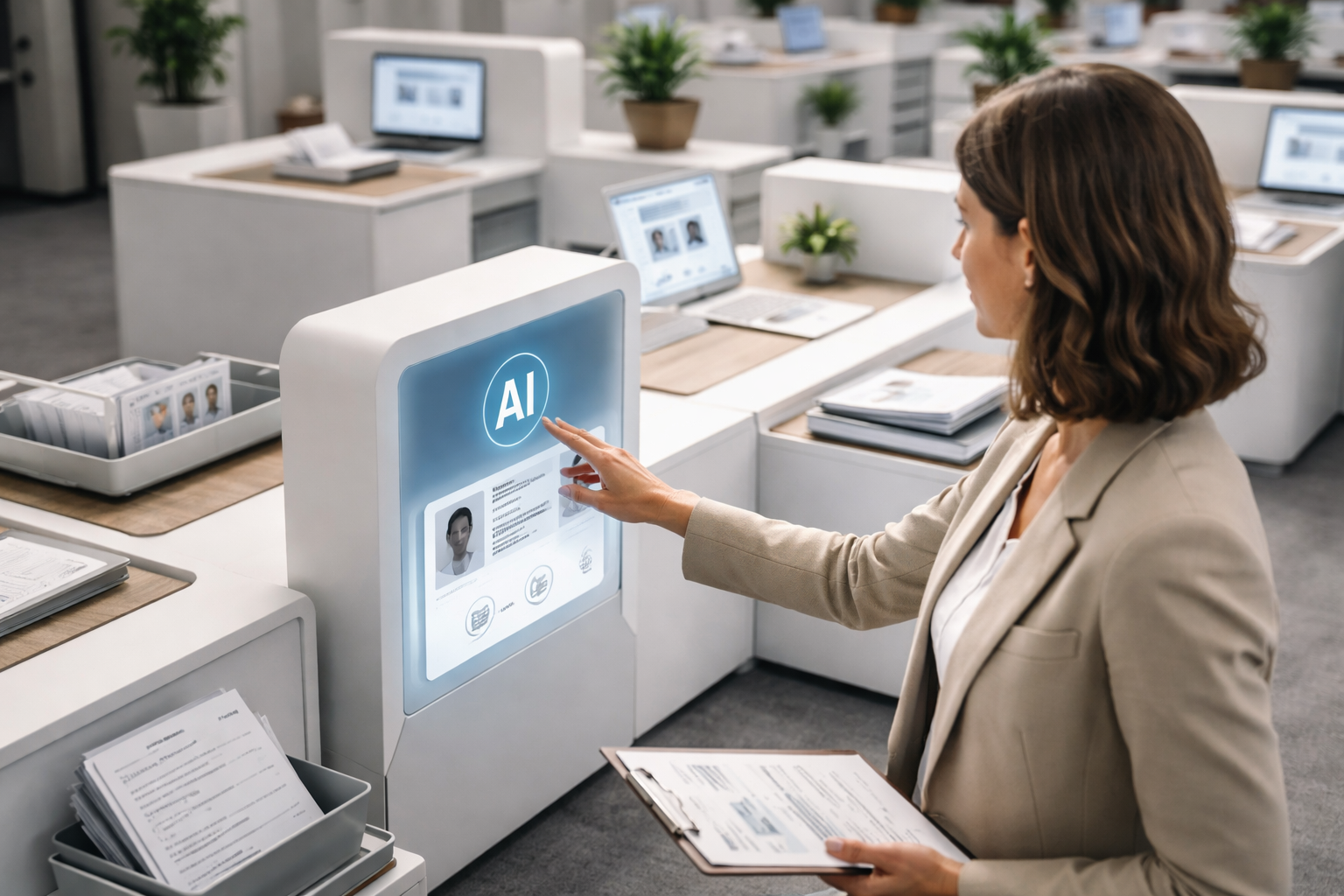
What makes these tools attractive is their ability to automate tasks that previously took hours or days. Sifting through hundreds of applications, identifying skills alignments, ranking candidates, and even sending out personalized outreach messages can all be handled by the right AI powered recruiting solution. For recruiters juggling multiple requisitions, AI’s pattern recognition and “learn as you go” algorithms cut down manual work drastically. In the sales world, where every day a position remains open could mean lost revenue, this advantage matters.
Recruiter AI systems can not only parse resumes more efficiently than any human, but they can also surface insights human eyes miss: sales activity patterns, subtle keyword trends in resumes, career progression signals, and social footprints that indicate true selling ability. When used properly, these insights enable sales recruiters to make more confident decisions and decrease the chance of a costly bad hire.
The arrival of AI isn’t just about doing the same thing, only faster. It’s a chance to rethink the workflows and expectations that surround sales recruiting. Instead of “post and pray,” AI powered recruiting platforms let teams proactively mine for qualified leads, even before competitors realize there’s a hiring need. They can flag passive candidates or those about to re-enter the job market, data points impossible for even the most alert recruiters to identify alone.
In this landscape, the successful sales recruiter is the one who masterfully blends human relationship skills with recruiting AI tools. Professional recruiters know that AI can’t close the deal or understand nuance on its own. Hiring still hinges on insight, intuition, and culture fit. But there’s no denying that AI has raised the bar, making it possible for organizations to scale faster, reduce bias, and capture quality candidates, long before their competitors do.
AI Recruiting Tools: Practical Uses in Sales Talent Acquisition
Despite all the headlines and speculation, many sales recruiters and employers want to know what AI recruiting tools can actually do in day to day work. These tools touch nearly every phase of sales hiring, providing more than just automation, they offer decision support, analytics, and real life business impact.
Sourcing Passive and Active Sales Talent
One of the most valuable functions of AI powered recruiting platforms in sales talent acquisition is their capacity to source top candidates who may not be actively applying. Traditional searches are often limited by keyword queries and network reach. With AI, recruiters can tap into a universe of data, LinkedIn profiles, resume databases, industry platforms, and even public social media, to identify sales experts with just the right background or sales territory coverage.
These tools use advanced algorithms to predict which candidates are likely open to new opportunities, and present them directly to recruiting teams. This predictive sourcing not only increases the size of the talent pool, but also surfaces candidates who are a stronger fit, both from a skills and a timing perspective. In a highly competitive market where top sales performers are typically employed and not actively job hunting, this alone is a strategic advantage.
Screening and Evaluating Sales Candidates
AI recruitment platforms can assess hundreds of resumes in minutes, ranking candidates by how well their past experience, sales targets, industry focus, or even sales tech stack familiarity matches the specific job requirements. For example, a company looking to build a high velocity SaaS sales team can instruct its AI recruiting tools to identify candidates with experience in SaaS, outbound sales, and enterprise deal sizes above a certain dollar threshold.
The technology doesn’t stop at resumes, either. Many AI recruiting platforms integrate with video interviewing solutions, using AI to evaluate responses for key competencies, communication style, or behavioral cues that align with top sales performers. While AI doesn’t replace in person interviews, it can provide an initial filter, leading to a better long list and ultimately a stronger shortlist of candidates.
Reducing Unconscious Bias
Bias in hiring has long been a challenge, especially in high stakes roles like sales where gut feel often influences decisions. AI, if implemented carefully, can help reduce human bias by focusing on objective criteria. Well designed recruiter AI solutions ignore demographic cues and instead evaluate candidates on hard data, performance metrics, skills, tenure, and more. This ability supports equity, diversity, and inclusion initiatives that have become central to modern HR and sales strategies.
Enhancing Candidate Engagement
Sales professionals respond to tailored messaging, and AI can be used to craft personalized emails or outreach sequences based on a candidate’s specific background, trigger events, or interests. This approach leads to higher response rates and better candidate experience, especially in a hot job market where top sales talent is inundated with generic recruiter outreach.
Real Time Analytics and Market Intelligence
Today’s recruiting AI tools also deliver insights into market trends, average compensation data, candidate movement patterns, and emerging skill sets in the industry. This real time analytics function empowers both internal teams and external sales recruiters to make data driven hiring and compensation decisions. With up to date competitive intelligence, companies can act more decisively and land top candidates before losing them to faster moving organizations.
In practice, organizations setting up or scaling sales teams find that AI delivers value beyond task automation. Saved recruiter hours, higher candidate quality, and reduced cost per hire add real business value. But it’s critical to treat these tools as an extension of the recruiter, not a replacement.
Ready to learn how AI enabled recruitment could help your team close better hires faster? Book an introductory meeting here.
Blending Human Skill with AI Powered Recruiting Platforms
Much of the anxiety around recruiting AI tools stems from myths about technology replacing people entirely. For sales recruitment, the strongest results come from blending AI powered recruiting platforms with experienced human judgment. Sales hiring isn’t about filling seats; it’s about identifying talent that fits culture, has proven quota attainment, and can grow as the company evolves.
Relationship Driven Decision Making
AI can move candidates through the funnel quickly and with less manual work, yet the crucial moments, video interviews, offer negotiation, cultural assessment, still depend on human interaction. The recruiter’s role shifts from executing low value tasks to focusing energy on candidate engagement, negotiation, and managing the delicate process that leads to a true match between employer and salesperson.
Case Example: Augmenting, Not Substituting
Consider the approach used by Treeline, a sales recruiting agency recognized by Forbes and Inc. for its innovation and success. Its proprietary platform leverages AI for initial sourcing, candidate matching, and data driven insights, but also ensures that every shortlisted candidate is thoroughly screened by an experienced recruiter. In recent years, this hybrid model has led to over a 97% client satisfaction rate and accelerated hiring across B2B, SaaS, and technology companies nationwide.
Real World Human AI Collaboration
There’s no perfect AI algorithm for understanding subtle motivations, growth ambition, or the right fit for a particular team’s structure. A sales recruiter can ask probing questions, pick up on nuances in tone or attitude during an interview, and provide tailored coaching to ensure new hires succeed from day one. By working in concert with AI recruiting tools, recruiters improve efficiency without losing the human touch that defines high performance sales talent acquisition.
Continuous Improvement Through Analytics
AI systems get smarter with more data. Human feedback helps refine these platforms, updating machine learning models to better reflect shifting priorities or newly emerging success profiles in sales. Recruiters who partner closely with their AI tools end up pushing both themselves and the technology to higher levels of precision and insight. An iterative loop of human input and automated analytics keeps hiring strategies current, relevant, and effective as the market evolves.
Preserving Candidate Experience
Top sales candidates demand a positive, personalized process. AI tools must support, not hinder, this experience. Recruiters play a critical role in ensuring candidates don’t feel like just another “data point” run through an algorithm. A thoughtful handoff between automated workflow and recruiter driven engagement makes the difference between ghosted applications and acceptance letters.
Balancing Technology and Trust
For sales recruiters building relationships over multiple hiring cycles, trust is earned through honest communication and reliable delivery. AI can supply timely updates and better information to both candidates and hiring managers, but the integrity behind the offer, and the longer term partnership, relies on the recruiter’s reputation and experience. Skilled recruiters focus AI attention where it matters and safeguard the trust essential to long term hiring outcomes.
Key Advantages and Drawbacks of AI Recruiting Platforms for Sales Roles
As with any technology, employing AI recruiting tools in talent acquisition involves weighing both benefits and limitations. Knowing what AI can and cannot do in sales recruiting helps organizations set the right expectations and design the most effective strategies.
Advantages of AI Recruiting Platforms:
- Speed and Scalability: AI systems can scan thousands of candidate profiles in minutes, accelerating sourcing and screening. This capacity is invaluable in high growth scenarios where multiple sales reps must be hired within tight deadlines.
- Reduced Friction: Automation of repetitive tasks (resume parsing, basic outreach, scheduling) gives recruiters more time for value added tasks, like client consultation, candidate coaching, and negotiation.
- Data Driven Decisions: AI powered recruiting platforms surface insights that help remove guesswork. Key performance indicators, sales role matching, and predictive analytics enable more confident decision making.
- Improved Diversity: Algorithms tuned to ignore demographic and personal bias increase the odds of equitable hiring, supporting sales teams with a broader, more inclusive mix of backgrounds.
- Cost Savings: Shorter hiring cycles save real money by minimizing vacancy costs, lost productivity, and recruiter hours spent on manual, repetitive sourcing.
Drawbacks of AI Recruiting Platforms and Tools:
- Data Driven Blind Spots: AI models depend on the data fed into them. If historical hiring practices were biased or incomplete, the AI could reinforce those errors. Monitoring and occasional retraining are essential.
- Potential for False Positives/Negatives: No system is perfect. Occasionally, great sales talent slips through the cracks, while less suitable profiles are ranked high unintentionally. Human review is always necessary.
- Candidate Experience Risk: Over automation can feel impersonal. Job seekers want authentic relationships, especially in sales where personal chemistry is crucial.
- Integration and Learning Curve: Getting maximum value from recruiting AI tools means investing in integration and training. Not every operator has the required digital skills from the start.
- Cost of Top Tier Solutions: While AI can reduce hiring expenses over time, the best solutions require initial investment in technology, training, and process design.
According to a recent Harvard Business Review article published in January 2026, balancing automation with skilled recruitment leadership produces the best outcomes. The key is leveraging AI for what it does well while never losing sight of the high touch, high stakes nature of sales talent acquisition.
Setting Expectations: How to Successfully Integrate AI Recruitment Into Your Sales Hiring
Bringing AI recruiting tools into a sales recruiting strategy is not an overnight switch, nor is it a plug and play solution. For employers, talent leaders, and even experienced sales recruiters, the integration process requires thought, planning, and buy-in from all stakeholders.
Define Your AI Project Goals
Successful programs start with clear objectives. Are you aiming to increase candidate flow? Reduce cost per hire? Drive higher quality and diversity in sales hiring? AI powered recruiting delivers greatest value when matched to tightly defined business goals.
Integrate AI with Existing Hiring Workflow
Rather than overhaul everything at once, smart companies map their current process and identify opportunities where recruiter AI supports and amplifies, not replaces, human expertise. Sourcing and screening are usually the first areas to automate. Over time, analytics and engagement tools may be phased in.
Educate Your Recruiting Team
AI is only as effective as the people using it. Ongoing training ensures that recruiters and hiring managers learn how to interpret AI recommendations, check for errors or blind spots, and maintain a candidate centric recruiting philosophy.
Maintain Data Privacy and Compliance
As regulations and candidate expectations evolve, respecting privacy concerns is crucial. Vendors must use platforms that comply with relevant laws and communicate transparently with candidates about the use of AI in the hiring process.
Continuously Monitor and Improve
With any AI implementation, it’s important to measure impact early and often. Are you seeing improved time to hire? Better acceptance rates for offers? An uptick in candidate diversity? The most effective teams approach AI implementation as a journey, making adjustments as they go.
Communicate Value to Stakeholders
Whether pitching new technology internally or advocating a blended approach to hiring leaders, connecting AI’s impact to business results is key. Share analytics showing improved candidate quality or faster placements. Use case studies, like scaling a 15 person sales team in weeks or identifying a VP Sales match through predictive analytics, to demonstrate measurable wins.
For more insights on effective AI integration, see the Gartner 2026 Talent Acquisition Trends Report.
Book a meeting now to explore what AI driven solutions could mean for your next sales hiring cycle.
Choosing the Right AI Recruiting Tools and Partners for Sales Staffing Success
Not every AI recruiting platform is created equal, especially when building elite sales teams, where the right hire can shape a company’s revenue trajectory for years to come. Choosing the right tools and recruiting partners makes the difference between streamlined success and stalled hiring.
Assessing Platform Capabilities
Look for AI solutions purpose built for sales recruiting, or those that can be tailored to sales specific workflows. Key features should include automated resume parsing, intelligent candidate matching with real world sales performance data, outreach personalization, and seamless integration with existing applicant tracking systems.
Evaluating Vendor Expertise
Proven partners bring more than software. They offer years of experience, market intelligence, and the ability to align technology with your unique sales culture and goals. Firms like Treeline have demonstrated their value by combining proprietary AI enabled tools with hands on, relationship driven recruiting, producing high placement rates and lasting hires.
Balancing Automation with Service
Turnkey AI platforms may sound attractive, but optimal outcomes come from a hybrid approach: use technology for high volume screening and matching, and lean on recruiters for interviews, negotiations, and onboarding. The goal is always better hires, not simply faster placements.
Prioritizing Data Transparency
Quality AI tools provide transparency into how candidates are scored and matched. Avoid “black box” solutions that can’t explain their decision logic. Full transparency allows recruiters to trust recommendations and correct for any emerging bias or error.
Scalability and Support
Consider both your current and future sales recruiting needs. Will your chosen platform or partner support added territories, new products, or variable hiring volume as market conditions change? Look for partners who offer both tech support and strategic consultative guidance over the long term.
Testimonials, Awards, and Case Studies
When evaluating agencies or platforms, review client testimonials and third party recognition. Awards from Forbes, Inc., and other industry organizations underscore a provider’s ability to execute at a high level. Case studies that detail real world success, such as scaling a SaaS sales team in three weeks or improving diversity in sales hires, give confidence in a partner’s ability to deliver results.
Ultimately, integrating AI into your sales recruiting process isn’t about following the latest tech fad, it’s about gaining an edge in today’s candidate driven market. The right blend of AI recruiting tools, data transparency, and experienced sales recruiters can mean the difference between securing a top performer or settling for an average hire.
FAQ: AI Recruiting Tools in Sales Talent Acquisition
What are AI recruiting tools and how do they help in sales talent acquisition?
AI recruiting tools use artificial intelligence to automate and optimize recruiting tasks like sourcing, screening, ranking, and scheduling candidates. In sales talent acquisition, these platforms dramatically reduce the time it takes to find qualified reps, identify the best matches through data driven algorithms, and improve the efficiency of the entire recruitment workflow.
How are AI powered recruiting platforms different from traditional recruiting methods?
Traditional recruiting relies heavily on manual processes and human intuition. AI powered recruiting platforms analyze massive datasets, quickly predict candidate fit for sales roles, and surface insights that humans may miss. This allows recruiters to reach more qualified candidates and make more informed decisions.
Can recruiter AI tools reduce hiring bias in sales recruiting?
Well designed recruiter AI tools can help lessen bias by focusing on candidate data, skills, and track record rather than demographic details or subjective impressions. However, the underlying AI must be carefully monitored to ensure there’s no unintentional perpetuation of past hiring biases.
What should employers look for when choosing an AI recruiting platform for sales teams?
Employers should seek out platforms with proven performance in sales recruiting, including robust data integrations, transparent scoring systems, and endorsements from industry peers. The platform should blend automation with options for human oversight, ensuring both speed and quality in hiring.
How does AI recruitment impact candidate experience in sales hiring?
AI recruitment can make the process more efficient and personalized. Automated messaging, faster screening, and quicker feedback help keep candidates engaged. But direct recruiter involvement remains important to ensure candidates feel valued throughout the journey, supporting strong employer branding in the competitive sales talent market.
Share This Story, Choose Your Platform!
Related Posts

What our happy clients are saying
Treeline Inc. provided us with the most candidates that aligned with our needs and were of the highest quality.

Dr. Jeffrey Klein Head of North America Sales, Satchel Pulse
Treeline Inc.’s collaborative, flexible, and communicative approach resulted in a smooth partnership. Beyond their recruitment expertise, their unique sourcing model was efficient and effective.

Sera Holt Director of Operations, LNS Research
Their professionalism was outstanding. Treeline Inc. was extremely thorough and ensured that we were on the same page before they started looking for candidates. They listened to us and did a great job working with the candidate to close out the process.

Cate Grant AVP Customer Success, Nasdaq
Thanks to Treeline Inc.’s intricate and thorough screening process, the company is able to hire six high-quality candidates that fit perfectly in the company’s culture. The team is highly receptive to concerns, and internal stakeholders are impressed with their unique recruitment abilities.

Anna McKean Sales Recruiter, Insider Intelligence
Treeline Inc. has been qualified individuals throughout a five-year-long engagement. They’ve made numerous placements of talented and qualified individuals for our business.

Michele St Laurent VP of HR, The Institute for Applied Network Security

Let Us Help You Source the Sales Talent You Need
Whether you’re building a team or replacing a key role, our Candidate Sourcing Platform provides a fast, flexible, and employer-focused solution.
Tell us more about your business and how we can help.
Treeline Inc.
Your Award-Winning Sales Recruitment Partner
15 Lincoln Street, Suite 314, Wakefield, MA 01880