Here’s a scenario you’ve probably lived: Your VP of Sales gives notice. You post the job on LinkedIn. You wait. And wait. Three months later, you’re still interviewing mediocre candidates. Meanwhile, your sales team is burned out covering the open territory. Your pipeline is suffering. And your board is asking why revenue growth has stalled. Sound familiar?
The problem isn’t that great sales talent doesn’t exist. It does. The problem is that traditional recruiting is built for a world that no longer exists. A world where people actively job search, where talent is visible on job boards, where timelines measured in months somehow make sense. The best salespeople today aren’t searching. They’re employed, they’re successful, and they’re probably getting recruited by three different companies this week. They’re passive. They’re picky. And they have options.
This is why more forward-thinking organizations are ditching traditional recruiting for contingency hire strategies. And the results? Faster hiring, better talent, stronger sales teams, and surprisingly, lower total cost. This isn’t a technical guide. It’s a conversation about why contingency hiring actually works and why it’s becoming essential for building sales organizations that win.
The Real Problem with How We Usually Hire Sales Talent
Let me start by being honest: traditional recruiting is broken for sales talent. Think about what happens when you post a sales job on LinkedIn. What kind of candidates respond? Often, the people actively job searching are the ones who need to leave their current role. Maybe they’re underperforming. Maybe they’re burned out. Maybe they weren’t successful at their last gig. The really good salespeople? The ones crushing quota at other companies? They’re not browsing job posts. They’re busy selling.
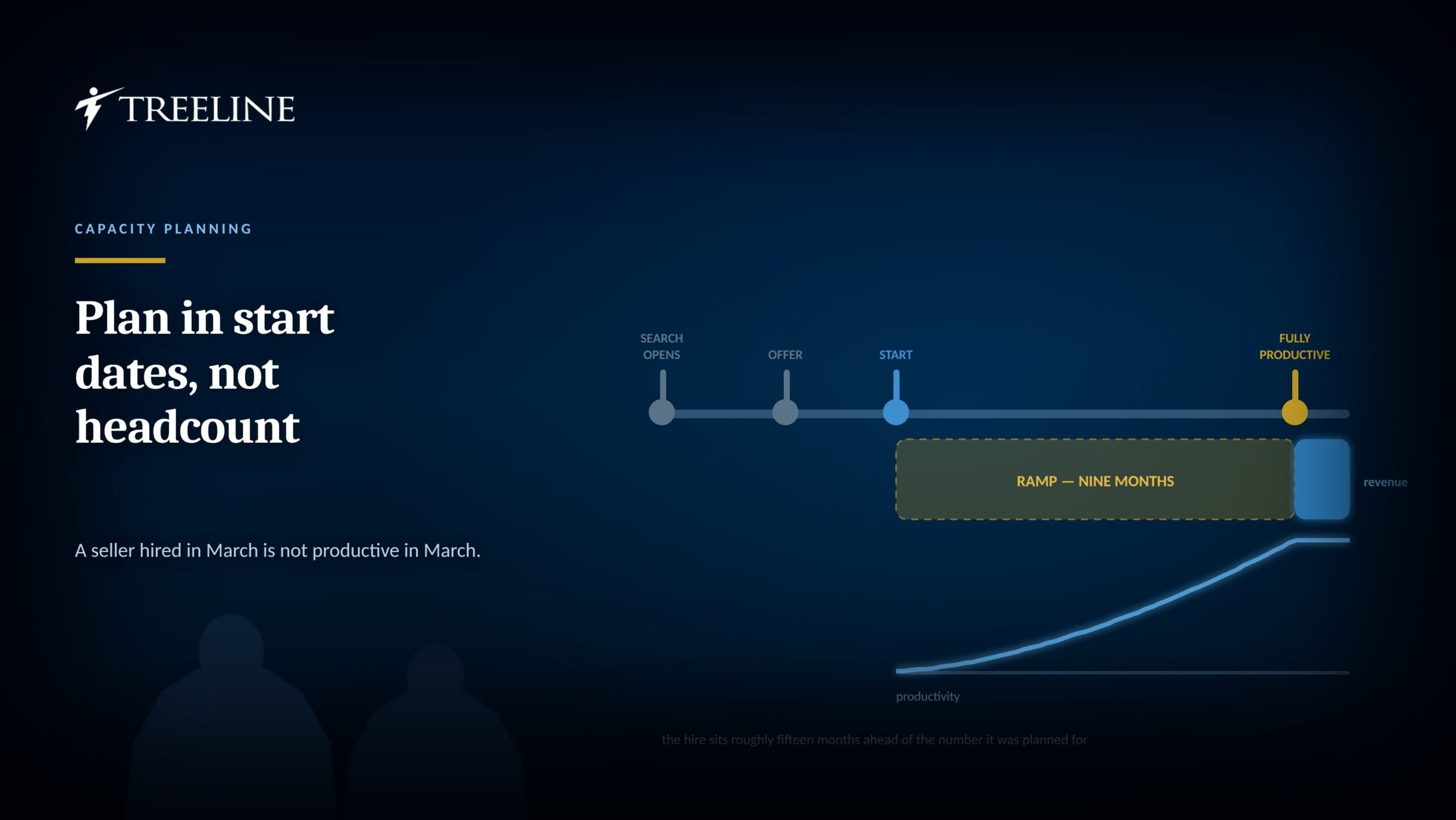
So your recruiting team ends up sifting through hundreds of applications, most from candidates who aren’t actually who you want. You spend weeks screening. You spend more weeks interviewing. Three months later, you’ve finally hired someone, and they take two months to ramp. So you’ve been without your VP for five months total.
What does that cost you? Let’s be concrete. A vacant VP of Sales role probably costs you $50,000+ per month in lost revenue. Five months of vacancy? That’s $250,000 in lost opportunity. And that’s before you factor in the hit to team morale when your salespeople are exhausted from covering the gap. Now imagine if you could fill that role in three weeks instead of five months.
What Actually Works: Why Contingency Hire Changes the Game
Here’s where the contingency hire strategy is different. And it’s different in ways that actually matter. When you work with a contingency recruiting professional, they’re not posting job ads and hoping. They’ve been building relationships with talented salespeople for years. They know who’s good. They know who’s hungry. They know who might be open to the right opportunity.
These contingency recruiters call successful salespeople they know. Not cold calls, real relationships. “I know you’re doing well where you are, but I have a VP role at this company. Based on what I know about you and them, I think this could be interesting. Can I tell you about it?” The best candidate often says yes, not because they’re desperately job searching, but because a trusted recruiter is telling them about an opportunity worth considering. Top contingency search firms built these relationships over years.
This is fundamentally different from traditional recruiting. You’re not competing in the world of active job seekers. You’re accessing talent that most of your competitors never find. And here’s the business impact: Instead of five months, you’re hiring in three weeks. That $250,000 in lost revenue? You just avoided it. The contingency hire fee, typically 25% of base salary, so maybe $50,000, just paid for itself in reduced vacancy cost alone. And you’re getting better talent because your recruiter has actually vetted these people. The comparison below shows the two paths side by side.

Five months of vacancy versus three weeks: how a contingency hire strategy turns $250,000 of lost revenue into a $200,000 net gain.
Why Quality Gets Better, Not Just Faster
There’s something else that changes when recruiting firms only get paid if the hire works out. Think about their incentives. In traditional recruiting, the recruiter gets paid whether or not you’re happy. They might get paid to fill positions quickly, even if those people flame out after three months. That’s not their problem. A contingency hire recruiter is different. They’re paid only when you hire someone. And they usually have a 30-day guarantee, meaning if the hire doesn’t work out, they have to find you a replacement.
This creates intense alignment. They’re not trying to fill positions fast. They’re trying to place people who will succeed. The chain below shows how that incentive structure flows through to the quality of the people who reach your desk.

The incentive chain behind contingency hiring: performance-based pay and guarantees force rigor that traditional recruiting doesn’t require.
What does that mean for you? Before a candidate ever gets to your desk, they’ve been thoroughly vetted. Not just “do they have experience as an AE”, but “can they sell in your market? Do they have the right sales style? Will they fit your culture? Are they genuinely excited about your company or just exploring?” A Contingency Sales Recruiting specialist does reference checks. They dig. They assess motivation. They figure out why someone is considering a change, are they running toward opportunity or running away from problems? That distinction matters enormously for whether someone succeeds.
This rigor means the candidates you interview are already pre-qualified in ways that matter. Your hiring team isn’t wading through dozens of mediocre candidates. You’re evaluating a smaller pool of genuinely qualified people.
The Speed Advantage (And Why It Matters More Than You Think)
Okay, let’s talk about speed because it’s the most obvious advantage and also the most misunderstood. Everyone knows contingency hiring is fast. Three weeks instead of three months. But why does that matter beyond just getting the role filled faster?
Team burnout. When your top sales leader leaves, the remaining team has to cover. That extra territory doesn’t go away. Someone has to manage those accounts. Suddenly your team is working 60-hour weeks, falling behind on prospecting, and getting burned out. Three months of that creates real damage. The best performers, the ones you need most, sometimes leave because they’re exhausted. Fix the gap in three weeks instead of three months? You save your team from burnout. And burned-out salespeople leave. People who leave create more hiring needs. This compounds fast.
Competitive advantage. In fast-moving markets, especially tech and healthcare, the window to capitalize on market opportunities is small. If you need sales leadership to capitalize on a new market opportunity, and that hire takes five months, you might miss the window entirely. Contingency hire strategy lets you move fast.
Revenue recovery. Those $250,000+ in revenue losses from vacancy? They’re real. Hire three weeks faster, and you recover that immediately. The cost of the contingency hire fee essentially disappears when you look at total financial impact. And here’s something people don’t always calculate: a truly great sales leader generates millions in incremental revenue over the first year. If a contingency hire strategy helps you land the right person even two weeks faster, you’ve generated significant additional revenue. The fee becomes almost irrelevant.
Access to Talent Nobody Else Can Find
This is the competitive advantage that doesn’t show up on your spreadsheet but matters enormously. The best salespeople aren’t job searching. They’re not updating their LinkedIn and waiting for recruiter messages. They’re executing. They’re hitting quota. They might get recruited occasionally by someone they trust, but most recruiting approaches never even get to them.
A contingency recruiting agency that specializes in sales has relationships with these people. They’ve placed candidates with them before. They understand their career trajectory. They know what would make them interested in a move. When you engage that kind of specialized recruiter, you’re not just hiring faster. You’re accessing a different talent pool entirely.
Think about what that means. Your competitors are fighting for the same active job seekers. You’re recruiting from a pool of passive candidates that most recruiters never even reach. Over time, this becomes a genuine competitive advantage. Better talent in your sales organization doesn’t just help you hit this year’s number. It compounds. Better salespeople coach better. They build better processes. They attract other strong salespeople. They stay longer because they’re successful.
The Hidden Cost of Getting This Wrong
Let’s talk about what it costs when you hire the wrong sales leader. Or when you take too long to fill the role. We mentioned revenue impact from vacancy. But there’s also the cost of a bad hire. You hire someone who looked good on paper. Three months later, you realize they don’t understand your market. Or they have the wrong sales style for your customer base. Or they’re great at hitting numbers individually but terrible at building teams.
Now you have to replace them. That’s six months of the wrong person in a critical role. Your team’s been trained one way, now they have to adjust. Your sales process might shift mid-year. Customers might be confused by the change in sales approach. You’ve now burned six months. A contingency hiring strategy reduces this risk substantially. The recruiter’s reputation depends on making placements that work. They’ve thoroughly assessed fit. They understand your organization. They’re on the line if this person fails. The 30-day guarantee might seem like a nice benefit, but it’s really insurance. It’s the recruiting firm saying “I’m confident this person will work out. If they don’t, I’ll fix it.”
Real-World Impact: Where This Actually Shows Up
Let’s ground this in reality. What does contingency hire strategy actually look like in practice?
Technology company: VP of Sales role opens. Using traditional recruiting, this would take 4-6 months. Using a contingency recruiting agency specializing in SaaS sales, it takes 3 weeks. Cost? About $50,000. Revenue impact of faster hiring? About $250,000. Net benefit? $200,000 in the first month alone. Plus the new VP starts ramping immediately instead of after a five-month delay.
Healthcare organization: Need to fill three inside sales roles quickly to handle increased demand. Traditional recruiting means posting on job boards, hundreds of applications, weeks of screening, and hires that take 8 weeks to ramp, total time about 4 months. The alternative: a Contingency Sales Recruiting firm with healthcare inside-sales expertise presents pre-qualified candidates in 2 weeks. People start within two weeks and are productive in half the typical ramp time because they already understand healthcare selling. Total time: 3 weeks.
Financial services: Enterprise Account Executive needed for a strategic new client opportunity that needs continuity and expertise immediately and can’t afford a 90-day ramp. A contingency recruiting agency with financial services enterprise sales expertise presents candidates who’ve worked similar deals. The hire happens in two weeks, and productivity is immediate because they already understand the market. In every case, the math is the same: faster hiring + better talent + lower total cost.
When Contingency Hire Strategy Works Best
We should be honest: contingency hire isn’t perfect for every situation. It works exceptionally well for some, less well for others.
It’s exceptional for:
- Senior sales leadership (VP, Director level) where passive candidate access is most valuable
- Specialized sales expertise (enterprise sales, complex products) where market knowledge matters
- High-impact roles where fast hiring and quality both matter enormously
- Growing organizations where you need to scale quickly
- Competitive markets where you’re racing to fill roles before competitors do
It works fine for:
- Account executives and territory sales roles where you need multiple people
- Inside sales where speed and volume matter
- Any role where you need faster hiring than traditional recruiting provides
It’s less ideal for:
- Entry-level or junior roles where passion and potential might matter more than experience
- Extremely niche roles with limited candidate pools
- Situations where you have months of lead time and can afford traditional recruiting
The key is matching the approach to the role and your situation.
The Financial Reality (Without the Spreadsheet Gymnastics)
Let’s be straightforward about cost. Contingency hire typically costs 25% of base salary, paid only when the hire is successful. For a $200,000 VP position, that’s $50,000. Only on successful placement. Compare that to:
- Retained executive search: $60,000-$66,000 paid upfront, whether or not the search succeeds
- In-house recruiting: $80,000-$120,000 annual salary for recruiting staff
- Job board posting: $500-$2,000 per posting plus hundreds of hours of HR time screening applications
But here’s what actually matters: total cost including what you’re not paying. When you hire three weeks faster versus three months faster, you avoid roughly four months of vacancy. For a VP role, that’s $200,000 in lost revenue you don’t lose. The contingency hire fee of $50,000 just paid for itself 4x over. For an account executive role at $100,000 salary, contingency hire costs $25,000. Hiring four weeks faster saves you roughly $25,000 in territory revenue loss. Break-even in the first month, then everything else is profit.
And that’s before you factor in the value of hiring better people. A truly great sales leader generates millions in incremental revenue. If contingency hire strategy helps you land someone exceptional who might have gone to a competitor, that’s worth far more than the fee. The real financial question isn’t “is the contingency hire fee expensive?” It’s “what’s the cost of vacancy and what’s the value of better talent?” When you calculate it that way, contingency hiring almost always comes out ahead.
What Actually Matters When You’re Implementing This
If you’re thinking about using contingency hire strategy, here’s what actually makes a difference:
Be specific about what you need. The better you describe the role, the team, the culture, and the market, the better the recruiter can target. Vague descriptions lead to vague candidate pools.
Move fast internally. Contingency hire only works if your organization is also responsive. When candidates are presented, interview within a few days. Provide feedback quickly. Be ready to move to offer fast. If you’re slow internally, you’ll lose good candidates.
Find recruiters who actually know your market. A generalist recruiter is better than nothing, but a contingency recruiter who specializes in your industry and sales discipline will be dramatically better. They understand what actually predicts success in your market.
Support new hires well. Contingency hire strategy gets the right person in the door faster, but your onboarding determines if they actually succeed. Make sure new hires have clarity, resources, mentorship, and support during their first month.
Treat it like a partnership. Recruiters who guarantee their placements are genuinely invested in your success. They want to help you win. Work with them as partners, not vendors.
The Bottom Line
Contingency hire strategy works because it addresses real problems traditional recruiting can’t solve. It gets top talent faster by accessing passive candidates through contingency recruiters and specialized contingency search firms that nobody else finds. It improves quality by aligning recruiter incentives with your hiring success. It reduces risk through vetting and guarantees. And when you calculate the full financial picture, it usually costs less than alternatives while delivering better results.
For sales organizations trying to build great teams and drive revenue growth, contingency recruiting agency services have become less of a nice option and more of a competitive necessity. The question isn’t whether you can afford to hire this way. The question is whether you can afford not to, especially when the cost of vacancy, the impact of slow hiring, and the value of great sales talent are calculated honestly. Learn how Treeline helps organizations implement contingency hire strategies that deliver results.
Questions People Actually Ask About Contingency Hire Strategy
If contingency hire is so good, why doesn’t everyone do it?
Good question. Honestly, a lot of organizations aren’t even aware it’s an option. Contingency recruiting has traditionally been associated with lower-level jobs, so many executives dismiss it as not suitable for serious sales hiring. That’s changing as more companies realize it works exceptionally well for sales talent. Also, some organizations have ingrained relationships with retained search firms and don’t think to try alternatives. And some haven’t done the financial math to realize contingency hire usually costs less when you factor in vacancy costs.
How different is the quality of candidates from contingency hire versus traditional recruiting?
This depends entirely on the recruiter. A contingency recruiting agency specializing in your market, with real relationships with quality candidates, will present better people than a generalist. A general contingency recruiter might not be significantly better than traditional recruiting. The key is finding a contingency recruiting agency that actually specializes in sales talent and has deep relationships in your market. That’s where the quality difference becomes dramatic.
What if the person we hire through contingency recruiting doesn’t work out?
The 30-day guarantee means the recruiter provides a replacement candidate. But honestly, if you’ve vetted well and supported onboarding properly, contingency hire placements work out at very high rates. The guarantee exists to address rare situations, not because contingency hiring frequently fails. Most contingency recruiters have very high placement success rates precisely because their reputation and compensation depend on it.
How long does the contingency hire process actually take?
From initial engagement to candidate presentation, typically 2-4 weeks. Your internal evaluation (interviews, feedback, decision, offer) usually takes another 2-4 weeks. So total timeline is often 4-8 weeks, compared to 3-6 months for traditional recruiting. Some situations are faster, some take longer, but the speed advantage is consistent.
Do we have to work with contingency recruiters exclusively, or can we use them alongside other recruiting?
Absolutely use them alongside other approaches. Many organizations use in-house recruiting for volume hiring, contingency recruiting for fast specialized hiring, and retained search for C-level positions. A multi-approach strategy often works best. Contingency hire is a tool in your toolkit, not necessarily the only tool.
Share This Story, Choose Your Platform!
Related Posts

What our happy clients are saying
Treeline Inc. provided us with the most candidates that aligned with our needs and were of the highest quality.

Dr. Jeffrey Klein Head of North America Sales, Satchel Pulse
Treeline Inc.’s collaborative, flexible, and communicative approach resulted in a smooth partnership. Beyond their recruitment expertise, their unique sourcing model was efficient and effective.

Sera Holt Director of Operations, LNS Research
Their professionalism was outstanding. Treeline Inc. was extremely thorough and ensured that we were on the same page before they started looking for candidates. They listened to us and did a great job working with the candidate to close out the process.

Cate Grant AVP Customer Success, Nasdaq
Thanks to Treeline Inc.’s intricate and thorough screening process, the company is able to hire six high-quality candidates that fit perfectly in the company’s culture. The team is highly receptive to concerns, and internal stakeholders are impressed with their unique recruitment abilities.

Anna McKean Sales Recruiter, Insider Intelligence
Treeline Inc. has been qualified individuals throughout a five-year-long engagement. They’ve made numerous placements of talented and qualified individuals for our business.

Michele St Laurent VP of HR, The Institute for Applied Network Security

Let Us Help You Source the Sales Talent You Need
Whether you’re building a team or replacing a key role, our Candidate Sourcing Platform provides a fast, flexible, and employer-focused solution.
Tell us more about your business and how we can help.
Treeline Inc.
Your Award-Winning Sales Recruitment Partner
15 Lincoln Street, Suite 314, Wakefield, MA 01880