Employer demand for high-performing account executives is at record highs, making it vital to stay ahead of evolving compensation trends. Understanding the landscape around the account executive salary is essential – not just for budgeting purposes, but as a foundational pillar of your hiring, retention, and overall sales success strategy. Employers who benchmark accurately, offer competitive pay, and optimize candidate experience are best positioned to secure the strongest performers in a fiercely competitive market.
Sales leaders, HR executives, and talent acquisition specialists alike encounter difficult questions: What is the standard account executive salary in 2024? How do experience, market, and industry drive salary expectations? And what tactics help ensure your offer stands out to in-demand sales talent, without overextending budget?
This guide offers an in-depth perspective for employers and sales recruiters focused on U.S. hiring, blending original data, real-world examples, and practical strategies for 2024 and beyond.
To explore how you can build a high-performing sales team and benchmark salary for your unique situation, book an introductory meeting with Treeline Inc’s experts.
Understanding the True Scope of Account Executive Salary Ranges
Sales recruiters and employers navigating the search for exceptional account executives must start with a clear understanding of current salary benchmarks. Nationwide, the account executive salary can fluctuate dramatically – a factor shaped by market size, industry vertical, sales cycle complexity, and candidate pedigree.
Current Data on Account Executive Salaries (2024):
- The U.S. national average base salary for an account executive ranges from $62,000 to $108,000 per year, according to data from Payscale.
- In highly competitive major metros (such as New York, Boston, San Francisco, and Chicago), base salaries can exceed $110,000, with total compensation (base + OTE/commission) ranging up to $200,000+ for senior enterprise account executives in SaaS or tech.
- Entry-level account executives may earn base salaries in the high $50,000s, while mid-career talent commands mid-to-high five-figure base pay, plus uncapped commissions and performance bonuses.
Compensation Package Components:
- Base Salary: Fixed annual pay, reflecting experience and market rates.
- On-Target Earnings (OTE): Target total annual income if quotas are achieved (combines base salary with commissions and performance bonuses).
- Benefits: Medical, dental, vision, retirement plans, and increasingly, wellness incentives.
- Equity or Stock Options: More common in startups or high-growth tech settings.
For employers, it’s critical to recognize that high-performing account executives evaluate your offer holistically. Salary remains a crucial driver, but so too is the clarity of your commission plan, career path visibility, and overall employee value proposition.
Key Takeaway: Align your salary offer with both current market benchmarks and the specific sales challenges your business faces. A well-calibrated account executive salary is a starting point to attracting, motivating, and retaining the right talent.
What Influences Account Executive Salary? Unpacking the Key Factors for Employers
While salary surveys provide helpful guidelines, multiple variables determine the “right” offer for your organization and your market. Employers and sales recruiters who understand these factors are better equipped to negotiate offers that resonate with high-impact candidates – without overspending.
Key Salary Influencers:
Location:
- Geography remains one of the most significant drivers. Urban hubs – San Francisco, New York, Boston – command top-tier compensation levels, often 15–30% above national averages. In regional markets or remote-first companies, base salaries tend to reflect lower local cost of living but may include aggressive variable pay to maintain competitiveness.
Industry and Sales Cycle Complexity:
- Industries such as SaaS, cybersecurity, healthcare, or enterprise solutions tend to pay a higher account executive salary than traditional or transactional B2B sectors. Longer, consultative sales cycles with high-ticket deals require sales professionals with advanced abilities – justifying higher base pay and OTE.
Experience and Track Record:
- Candidates with five or more years’ quota-carrying sales experience, particularly in your niche, command a premium. Employers increasingly weigh career progression, history of exceeding targets, and vertical expertise when constructing salary offers.
Company Brand and Growth Phase:
- Startups and growth-stage firms may offer lower base pay but offset with aggressive equity, variable pay, or rapid advancement. Established brands – especially those recognized for cultivating top sales cultures – can use employer reputation as leverage in salary negotiations.
Demand-Supply Imbalance:
- The scarcity of proven account executives, especially those excelling in complex or fast-growth verticals, puts upward pressure on salaries. For example, according to a recent Forbes article, the war for talent in enterprise SaaS sales has pushed OTE offers to record highs.
Candidate Experience and Modern Expectations:
- Beyond pay, account executives scrutinize the hiring process, onboarding, and the company’s approach to flexibility and professional development. Employers who emphasize candidate experience not only command higher acceptance rates but also insulate themselves against compensation-based counteroffers or attrition.
Example:
A Boston-based SaaS company seeking experienced account executives found that offering a $15,000 signing bonus and guaranteed ramp commissions during the first 90 days led to a 25% increase in offer acceptance compared to market average offers – without having to increase the base salary band.
Employers who leverage sales recruiters with deep industry knowledge – such as those at Treeline Inc – gain real-time insight into the nuanced compensation expectations shaping today’s talent market. Book an introductory meeting to discuss tailored compensation strategies for your hiring needs.
Building a Competitive Compensation Package: Beyond Base Salary
Salary is only the first step in a high-performance sales compensation strategy. Top employers know that candidates now expect comprehensive offers – blending pay, incentives, and meaningful perks – to stand out. Achieving the perfect balance elevates your brand and fuels motivation long after the first day on the job.
Essential Components of an Attractive Account Executive Compensation Package:
Commission Structure and OTE Transparency:
- Clarity matters. Candidates need to see how commissions accrue, what accelerators or kickers are in play, and how attainable quotas are. Opaque or overly complex incentive plans push candidates toward competitors.
Performance Accelerators and Bonuses:
- Incentives tied to new business wins, contract renewals, or upsell targets motivate account executives to push past quota. Annual, quarterly, or even monthly bonus plans can help smooth income variability and drive continuous engagement.
Non-Traditional Benefits:
- Mental health stipends, flexible work models, home office reimbursements, and paid time for volunteering have real currency in a post-pandemic workforce. Employers who get creative on benefits appeal to the holistic motivations of today’s account executives.
Learning and Development Pathways:
- The most persuasive account executive salary package includes a visible, actionable approach to training, mentorship, and next-step promotions. Candidates seek more than just earning potential – they prioritize growth and an upward career trajectory.
Equity and Wealth-Building Opportunities:
- Startups and high-growth firms often leverage equity as an equalizer if base salaries fall below industry giants. For larger enterprises, equity grants or long-term incentive plans (LTIPs) signal ongoing investment in the employee’s future.
Case Study:
One national healthcare software provider increased offer acceptance from senior account executives by 18% in 2023 after revising their OTE model. By making quotas slightly more attainable and tying a kicker bonus to achievement in challenging markets, they enhanced both the total compensation and job satisfaction metrics in their annual talent review.
Pitfalls to Avoid:
- Over-reliance on variable pay without adequate base salary.
- Non-transparent or unachievable quotas.
- Rigid, legacy benefits packages that overlook evolving candidate priorities.
Employers looking for an edge often partner with specialized sales recruiters who can audit and recommend transformative compensation structures. Treeline Inc, for example, has helped hundreds of U.S. firms recalibrate packages to maximize both appeal and fiscal sustainability.
The Critical Link: How Candidate Experience Shapes Hiring Outcomes and Salary Negotiation
In today’s ultra-competitive landscape for sales talent, candidate experience plays an outsized role in both attracting and closing account executives. Compensation alone cannot erase the memory of a disengaged or disorganized hiring journey.
Why Candidate Experience Matters:
First Impressions Influence Salary Negotiation:
- Top account executives are approached weekly – or even daily – by competitors. Employers offering a streamlined, personalized, and responsive interview process earn trust. This can create leeway in salary negotiations, as candidates value employers who respect their time and communicate proactively.
Brand Perception Affects Offer Acceptance:
- According to research covered by Harvard Business Review, companies that infuse their employer branding into every stage of the hiring process see higher close rates, even when their account executive salary offers are close to market norms rather than top dollar.
Reduces Ghosting and Counter Offer Risks:
- A high-quality candidate experience – including virtual tours, meet-the-team sessions, or quick feedback loops – builds enthusiasm early. Enthusiastic candidates are less likely to ghost late in the process or be swayed by marginally better offers.
Support for Diversity and Inclusion:
- Intentional touchpoints addressing diversity, equity, and inclusion goals resonate strongly with many candidates and may serve to differentiate employers competing for similar talent.
Tips to Enhance Candidate Experience (and Improve Negotiation Outcomes):
- Empower sales recruiters with timely information and clear feedback loops.
- Standardize salary communication to avoid surprises late in the process.
- Offer realistic timelines and support for transitioning candidates – such as early introductions to new managers or frameworks for the first 90 days.
Real-World Example:
Treeline Inc recently worked with a VC-backed fintech to overhaul their hiring workflow. By compressing interview steps, providing personalized video messages from leadership, and sharing transparent OTE models upfront, the company improved their offer acceptance rate by 30% within six months.
When candidates feel valued throughout the process, employers often report closing top-tier talent at or below their established salary bands – proof that experience is both a retention and negotiation strategy.
Partnering With Sales Recruiters to Optimize Your Hiring and Compensation Outcomes
As demand for experienced account executives grows, many employers turn to professional sales recruiters for strategic advantage. The right recruiting partner provides more than resumes. They bring critical market intelligence, candidate vetting expertise, and a consultative approach to building compelling offers.
How Sales Recruiters Drive Value:
Data-Backed Salary Recommendations:
- Established sales recruiters, such as those at Treeline Inc, maintain extensive databases and real-time market knowledge. They advise whether your salary band is competitive (or needs to be expanded), identify opportunities for non-cash incentives, and validate quota structures with current industry realities.
Candidate Experience as a Strategic Lever:
- Professional recruiters serve as an extension of your brand, shaping a positive journey from first outreach through onboarding. Their ability to surface red flags, address counter-offers, and align expectations prevents last-minute surprises.
Expanded Access to Hidden Talent Pools:
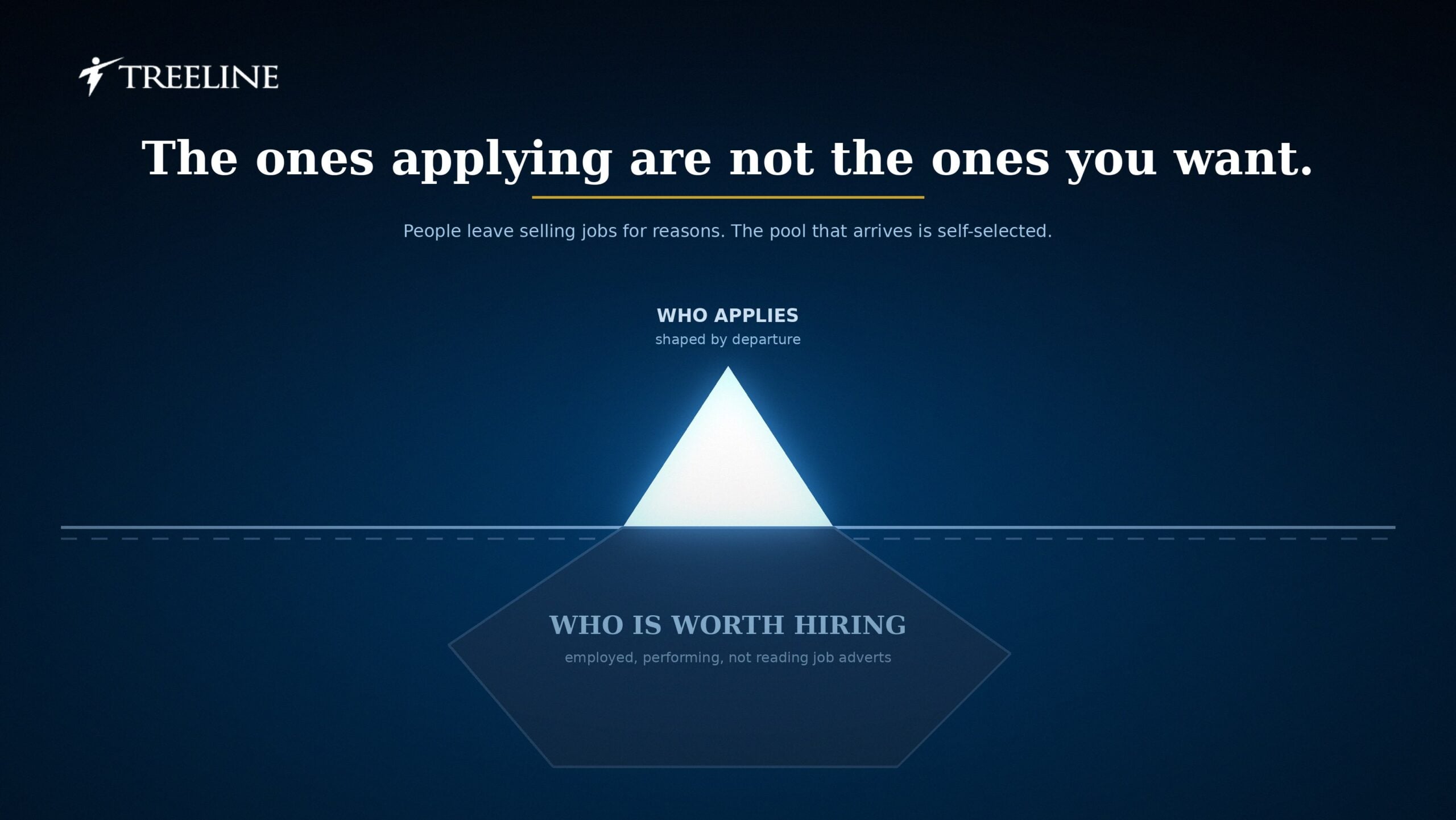
- Many high-performing account executives are not actively applying for new roles. Highly specialized recruiters leverage their networks to engage passive candidates – those who command above-market salaries and consistently exceed quota.
Mitigating Costly Bad Hires:
- A reputable sales recruiter deploys assessment tools and behavioral interview methods to ensure the right culture and skill fit. Treeline Inc, for instance, utilizes proprietary screening and a “Treeline Resume™” system to deliver only vetted, high-impact candidates.
Speed to Hire:
- Time kills deals – and open headcount undermines sales forecasts. Recruiters specializing in sales roles can typically present top candidates within days, reducing vacancy risk and smoothing offer negotiations.
Best Practices:
- Engage with recruiters as soon as you identify a hiring need to access real-time salary benchmarks.
- Request pipeline reports showing candidate compensation expectations as offers develop.
- Benchmark agency performance on critical metrics: time-to-fill, offer acceptance, and candidate satisfaction.
Case in Point:
A national logistics SaaS provider approached Treeline Inc to fill two enterprise account executive roles across separate regions. Leveraging insider salary data and rapid candidate matching, both roles were filled within three weeks – one at the mid-range and one at the top of the company’s salary band – underscoring how recruiting partnerships help calibrate and accelerate the hiring process.
To transform your hiring outcomes and ensure your account executive salary offers stay ahead of the curve, book an introductory meeting with Treeline Inc’s experts.
Salary Data: Building an Adaptive Compensation Strategy
- Annual and Semi-Annual Compensation Reviews: Salary data should be regularly compared against national and local market trends, factoring in changes driven by inflation, cost of living, and shifting demand in the sales hiring market.
- Functional Role Mapping: Segregate account executive roles by specialization (enterprise, SMB, inside sales, field sales) and vertical for more precise salary benchmarking.
- Total Rewards Approach: Integrate health, financial, flexibility, and development benefits into your compensation model, and communicate these comprehensively to candidates to maximize perceived value.
- Candidate Feedback Loops: Post-hire surveys and candidate feedback help fine-tune the offer process, surfacing which benefits, bonuses, or flexibilities make a real difference in winning top account executives.
Using Data to Drive Diversity and Inclusion
Many organizations now layer diversity goals into their sales workforce planning. Data-informed compensation models help eliminate bias, foster pay equity, and build sales teams that are both diverse and high performing. A transparent, data-backed approach to salary structures is a cornerstone of a modern, inclusive sales organization.
The Role of Leadership and HR in Shaping Account Executive Compensation
For employers, crafting the optimal account executive salary offer isn’t a task for HR alone. Collaboration between sales leadership, HR, finance, and external recruiting partners is critical. Regularly convening stakeholders ensures offers are competitive, sustainable, and tied to the revenue goals that drive your business forward.
Tying Compensation Strategy to Revenue Outcomes
- Aligning Sales Quotas and Compensation: Compensation structures should be informed by historic and projected quota attainment. Unrealistic quotas not only inflate OTE projections but also drive turnover and disengagement among account executives.
- Incentivizing Desired Behaviors: Moving beyond revenue alone, align incentives with customer retention, product adoption, and upsell/cross-sell targets to ensure your compensation plan drives holistic company growth.
- Retaining Your Best People: Competitive salary alone does not guarantee retention. Comprehensive reward packages – paired with strong leadership, transparent communication, and a culture of recognition – ensure your best account executives stay invested for the long term.
Is It Time for a Compensation Audit? Questions for Employers
Employers unsure about their competitiveness in the account executive market should consider conducting a compensation audit. Questions to ask include:
- Are our salary bands for account executives aligned with both national and local benchmarks?
- Do our commission and incentive structures drive the behaviors and results we need?
- Are we leveraging our employer brand, culture, and flexibility to attract candidates, or are we over-relying on base compensation?
- Are high performers rewarded with accelerated earning opportunities and clear promotion pathways?
- What feedback are we getting from recently hired sales professionals about our overall offer?
Emerging Trends Impacting Account Executive Salary and Hiring in 2024–2025
The compensation landscape for account executives is more dynamic than ever, driven by both macroeconomic shifts and evolving expectations within the sales profession. Employers who anticipate these trends can better position themselves to win the best candidates without overextending payroll or losing top performers to the competition.
1. Shift to Remote and Hybrid Sales Roles
With the normalization of remote work, many companies have started to de-link salary bands from strict regional averages. High-demand candidates – especially those in SaaS and tech – may receive offers from companies far outside their geographic region, effectively raising the salary floor for skilled account executives nationwide. Employers must now assess whether remote-first or hybrid options can provide leverage in negotiations or will require a shift in compensation strategy to stay competitive against fully distributed teams.
2. Increased Focus on Pay Equity and Transparency
Account executives, especially in millennial and Gen Z cohorts, increasingly seek transparency in how pay, commissions, and bonuses are calculated. Many states – such as California, New York, and Colorado – now mandate salary transparency in job postings, closing gaps and driving up average salary offers. Employers who lead with transparent pay frameworks foster trust and reduce negotiation drama – helping control costs and improve retention by clearly showing paths to higher earnings.
3. Integration of Data and Technology in Sales Talent Acquisition
Sales organizations leveraging analytics, AI-based assessments, and tools like the Treeline Resume™ gain stronger insights into candidate quality and compensation trends. These technological advances help to accurately predict high performers and fine-tune salary bands, quotas, and incentive structures. This means faster decision-making, reduced risk in hiring, and a much more data-driven approach to building compensation packages tailored to organizational goals.
4. Growing Importance of Employer Brand in Compensation Perception
An employer’s reputation is more valuable than ever. Companies recognized for innovation, ethical leadership, or employee wellness often find that their brand strength allows them to offer account executive salaries that are at market (not above), offset by a compelling value proposition. Building your employer brand – through testimonials, industry accolades, and workplace recognition – ensures top sales candidates perceive your company as a long-term career destination.
5. Cross-Industry Competition for Account Executive Talent
It is no longer just SaaS and tech firms vying for elite sales professionals. Financial services, healthcare technology, logistics, and even manufacturing sectors now compete for the same pool of account executives. This cross-pollination of industries means employers must evaluate not only their own space but also adjacent verticals when benchmarking salary and building offers. This broadened competition both fuels salary increases and makes working with experienced sales recruiters all the more critical in staying ahead of the curve.
6. The Sustainability of Incentive-Heavy Compensation Plans
As organizations chase ambitious revenue targets, incentive-heavy compensation structures continue to proliferate. These aggressive plans can deliver a burst of motivation but may struggle to drive consistent long-term results or retain talent year-over-year if quotas are misaligned with market realities. Employers should regularly audit plans for fairness, attainability, and retention impact. Seasoned sales recruiters, backed by market data, can help recalibrate variable pay formulas for sustainable success.
How to Use Account Executive Salary Data for Better Workforce Planning
Benchmarking account executive salary should not be a one-time exercise. Leading employers and recruiting teams now treat compensation planning as a dynamic, ongoing process, informed by robust data and regular reassessment.
Frequently Asked Questions: Account Executive Salary, Sales Recruiting, and Candidate Experience
What is the average account executive salary in the U.S.?
The average salary for an account executive in the United States falls between $62,000 and $108,000 per year, according to recent 2024 data. Total compensation, including commission and bonuses (on-target earnings), often ranges from $90,000 up to $180,000 or more, particularly in technology, SaaS, or high-growth sectors. Salary ranges will vary based on industry, region, and candidate experience level.
How do employers ensure their account executive salary offers are competitive?
Employers can benchmark salary offers using real-time market data from reputable salary studies, collaborate with experienced sales recruiters for current compensation intelligence, and evaluate their total offer – including base, commissions, benefits, and equity. Transparent communication about career growth and OTE can further strengthen competitiveness without simply raising base salary.
What non-monetary components make a sales offer more attractive?
Beyond account executive salary, candidates are motivated by clear commission plans, performance-linked bonuses, flexible work models, professional development opportunities, and inclusive workplace policies. Increasingly, mental health benefits, wellness stipends, and supportive leadership culture are critical factors in acceptance decisions.
How does candidate experience impact salary negotiations in sales hiring?
A streamlined, personalized, and organized candidate journey builds trust and excitement for your company. Positive experiences allow employers more room to negotiate salaries within established bands and increase the likelihood of accepted offers, while poor experiences can make salary the only differentiator and raise attrition risk.
Why should employers partner with specialized sales recruiters for account executive hiring?
Partnering with skilled sales recruiters unlocks access to hidden talent, provides up-to-the-minute salary insights, and ensures that only the right-fit, fully vetted candidates progress through your hiring process. Sales recruiters positively influence candidate experience and can help close roles swiftly, strengthening hiring ROI and long-term team performance.
Share This Story, Choose Your Platform!
Related Posts

What our happy clients are saying
Treeline Inc. provided us with the most candidates that aligned with our needs and were of the highest quality.

Dr. Jeffrey Klein Head of North America Sales, Satchel Pulse
Treeline Inc.’s collaborative, flexible, and communicative approach resulted in a smooth partnership. Beyond their recruitment expertise, their unique sourcing model was efficient and effective.

Sera Holt Director of Operations, LNS Research
Their professionalism was outstanding. Treeline Inc. was extremely thorough and ensured that we were on the same page before they started looking for candidates. They listened to us and did a great job working with the candidate to close out the process.

Cate Grant AVP Customer Success, Nasdaq
Thanks to Treeline Inc.’s intricate and thorough screening process, the company is able to hire six high-quality candidates that fit perfectly in the company’s culture. The team is highly receptive to concerns, and internal stakeholders are impressed with their unique recruitment abilities.

Anna McKean Sales Recruiter, Insider Intelligence
Treeline Inc. has been qualified individuals throughout a five-year-long engagement. They’ve made numerous placements of talented and qualified individuals for our business.

Michele St Laurent VP of HR, The Institute for Applied Network Security

Let Us Help You Source the Sales Talent You Need
Whether you’re building a team or replacing a key role, our Candidate Sourcing Platform provides a fast, flexible, and employer-focused solution.
Tell us more about your business and how we can help.
Treeline Inc.
Your Award-Winning Sales Recruitment Partner
15 Lincoln Street, Suite 314, Wakefield, MA 01880