Unpacking the Sales Executive Role: What Employers and Sales Recruiters Need to Know
Sales executives represent the vital force behind revenue generation and growth strategy in organizations across nearly every sector. Hiring, developing, and retaining outstanding sales executives is a top priority for employers who understand how much a single high-performing individual can contribute to expansion targets, market share gains, and overall enterprise value. Yet despite the importance of this role, many organizations find themselves grappling with evolving responsibilities, increased expectations for adaptability, and the challenge of identifying candidates whose qualities move beyond meeting quotas to truly accelerating business outcomes.
At its core, the modern sales executive is far more than a top salesperson. These professionals combine sharp business acumen with leadership, forecasting skills, customer focus, and sometimes even strategic influence at the boardroom table. As the point of connection between product offerings and market demand, their responsibilities have become dynamic – balancing pipeline development, team mentoring, client relationships, and deal-closing while translating leadership goals into actionable sales strategies.
Employers seeking to grow or revamp their sales force must start with a nuanced understanding of the role itself. The definition of a “sales executive” can vary widely depending on industry, organization size, and market maturity. At the mid-market level, the title might encompass direct new business generation, territory development, and managing a small team. In larger enterprises, it may scale up to VP or CRO status, with oversight of regional or national teams and P&L responsibility.
To structure your sales hiring process or guide internal talent discussions, consider these core responsibilities typically associated with the sales executive position:
- Developing new business opportunities and nurturing strategic accounts
- Executing sales cycles from initial outreach to contract negotiations and closure
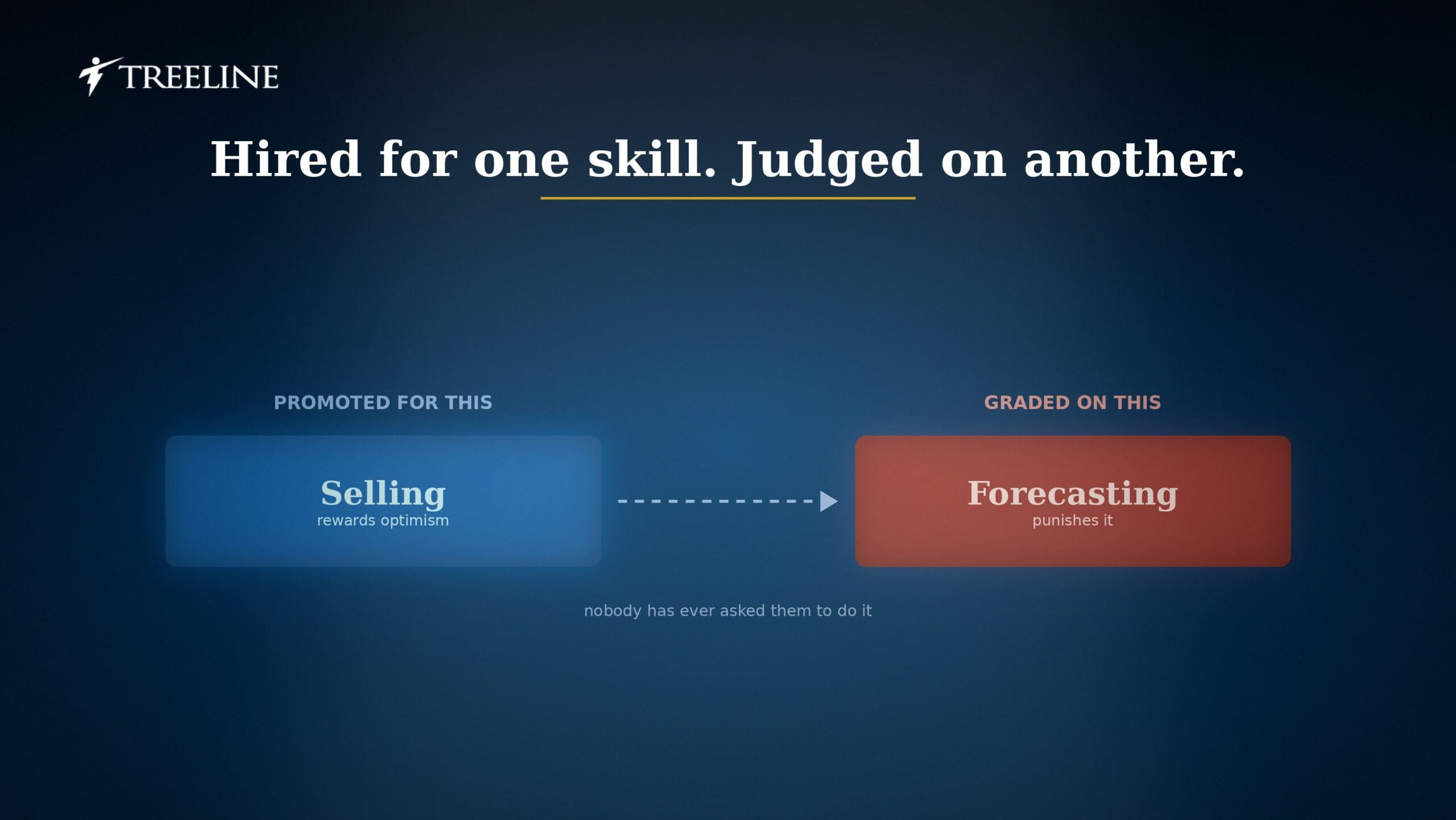
- Accurately forecasting revenue and managing pipelines in CRM platforms
- Coordinating with marketing, product, finance, and delivery leaders
- Managing, coaching, and motivating sales teams (for more senior titles)
- Maintaining up-to-date knowledge of competitive landscapes
- Presenting quarterly results, forecasts, and strategy recommendations to C-level stakeholders
Each of these skills is measurable and actionable – an important distinction for talent acquisition. High-caliber sales executives often demonstrate not only the ability to open doors and close complex deals but also a capacity for navigating ambiguity, influencing internal resources, and adopting emerging technologies such as AI-driven sales engagement tools or advanced predictive analytics for territory planning.
Given this expanding set of expectations, today’s talent search extends far beyond looking for polished résumés. Employers who take a data-driven and comprehensive approach to sales recruiting – partnering with a sales recruiter that can effectively benchmark and vet candidates – position themselves for durable success.
If your organization is mapping out growth targets or rebuilding sales leadership, now is the right time to consider both the evolving role and the broader market context for hiring. Book an introductory meeting to discuss sales hiring strategy and find the right sales executive for your business goals: Schedule Now
Core Competencies and Key Responsibilities of a Modern Sales Executive
As companies adapt to fast-paced changes and pursue expansion, the capabilities expected of a sales executive have shifted accordingly. In the past, success was often measured by meeting or beating revenue quotas. Today, competency requirements span several domains – technical literacy, interpersonal communication, qualitative judgement, and even change management – blending the traditional sales skill set with leadership and market insight.
First, let’s dive into the practical day-to-day expectations. These can be grouped into four broad areas:
Business Development and Revenue Generation:
- Sales executives must actively identify, qualify, and nurture new leads while also expanding business within existing accounts. For B2B organizations, this may involve long sales cycles, product demos, proposal creation, and relationship cultivation over months or even years. A sales executive’s actual pipeline management skills directly affect quarterly forecasts and influence the accuracy of business planning.
Strategic Account and Territory Management:
- Understanding how to segment territories, prioritize opportunities, and deploy resources is key. Top performers use CRM systems and analytics tools to make data-informed decisions. This approach extends beyond intuition, requiring analysis of conversion ratios, deal velocity, and customer lifetime value to focus efforts where they’ll yield the greatest results.
Cross-Functional Collaboration:
- A high-performing sales executive is rarely an isolated contributor. Collaborating effectively with internal teams – marketing, product management, finance, and operations – ensures that proposals align with both customer expectations and company capabilities. Whether it’s crafting a new go-to-market plan or solving client challenges, these professionals serve as a bridge between client and company.
Leadership and Mentoring (in Senior Roles):
- Many sales executives move into leadership, coaching junior sales reps, and managing small to mid-size teams. For director or VP-level roles, responsibilities include setting team KPIs, providing ongoing feedback, facilitating training sessions, and serving as an example of the ideal sales process.
Let’s consider a relevant example. In SaaS companies, senior sales executives increasingly shoulder post-sale responsibilities, ensuring that onboarding and customer adoption meet retention targets. Employers seeking to build a sustainable sales organization must define these extra touchpoints in job descriptions and evaluation processes.
According to a 2024 study from Harvard Business Review, companies with clearly defined sales executive roles achieved a 14% greater year-over-year growth in revenue compared to those where roles were vague or frequently shifting (source: HBR, May 2024). Task clarity not only streamlines accountability but enhances candidate experience during hiring and onboarding.
For both internal recruiters and external partners, aligning competency frameworks to organizational objectives is not just “best practice” – it’s essential in a marketplace where proven sales leadership is highly sought after. Failing to update these benchmarks leads to mis-hires or costly turnover, especially when scaling.
A data-informed approach to defining, sourcing, and onboarding sales executives sets the table for both short-term wins and long-lasting growth. Consider assessing your current frameworks to ensure alignment with the business landscape of 2025 and beyond.
The Employer’s Guide to Hiring Sales Executives: Strategies and Pitfalls to Avoid
Hiring a sales executive is a high-stakes process for any employer. A single right hire can inspire dramatic gains, but a mismatch can result in lost opportunities, diminished morale, and wasted resources. Given the complexity of modern sales cycles and the competitive market for elite sales talent, organizations must equip themselves with robust methodologies and clear evaluation standards.
Defining the “Ideal Candidate” Profile:
- Begin by identifying the traits, experience, and competencies that have delivered outsized results in your specific context. These may include technical fluency, a track record within your industry, established customer networks, and resilience under pressure. In addition, consider “soft skills” such as emotional intelligence, adaptability, and purposeful communication. A 2024 LinkedIn Talent Solutions report found that 61% of employers overlooked valuable candidates by prioritizing industry experience over demonstrated sales acumen and adaptability (source: LinkedIn Talent Blog, March 2024).
Using Comprehensive Assessment Techniques:
- Behavioral interviews should be tailored to explore real-life scenarios – how the candidate approaches complex deals, handles setbacks, and motivates teams. Psychometric testing and “real play” sales presentations can add useful data points, while structured reference checks often reveal consistency and integrity.
Partnering with a Specialized Sales Recruiter:
- Organizations often turn to sales staffing experts to ensure wide candidate reach, objective vetting, and access to passive candidates. A sales recruiter maintains established networks and industry knowledge, and often leverages proprietary platforms to identify talent that in-house teams might not access promptly. When considering whether to engage a sales recruiting agency, look for transparent processes, clear communication, and data-backed placement results.
Avoiding Pitfalls:
- Overemphasizing Historical Revenue: Previous quotas met are important, but equally critical is the context – market maturity, deal size, and construct of prior teams.
- Ignoring Cultural Fit: Mismatches here lead to high turnover. Include culture-alignment assessments to evaluate candidate fit within strategic vision and company values.
- Rushing the Process: Failing to conduct multi-level interviews or thorough reference checks often results in mis-hires.
- Neglecting Candidate Experience: Poor communication or feedback delays tarnish your employer brand, making it harder to compete for top-tier professionals.
Each hiring decision should be benchmarked against both immediate needs and long-term scalability. It’s often wise to regularly refresh your understanding of current market compensation structures and candidate expectations, using authoritative resources such as Sales Management Association’s annual salary surveys.
In the current hiring climate – marked by remote work, evolving software stacks, and globalized competition – organizations who invest in process discipline and the right strategic partnerships routinely outperform those who take a transactional approach.
Ready to optimize your sales executive hiring process? Book an introductory meeting to explore proven recruiting solutions tailored to your organizational needs: Schedule Here
The Critical Importance of Candidate Experience in Sales Executive Hiring
While the primary objective of hiring a sales executive is to identify and secure the right leader, the process itself has become a strategic differentiator. Candidate experience – every interaction, communication touchpoint, and feedback loop encountered by applicants – can determine not just individual outcomes, but also reputational strength in the talent market.
For senior-level candidates especially, the stakes are high. Companies are often surprised by how rapidly negative word spreads among elite sales professionals when hiring processes feel opaque, slow, or impersonal. On the other hand, employers who prioritize a smooth, transparent, and engaging candidate journey are more likely to close deals with sought-after talent – even when compensation packages are similar.
Key elements of an effective candidate experience for hiring a sales executive include:
- Clear Communication: Candidates should always know where they stand in the process and what the next steps are. Ghosting or unclear feedback can quickly erode goodwill.
- Efficient Scheduling: Especially at director or VP levels, these are busy professionals managing multiple offers. Streamlined interview scheduling shows respect for their time.
- Structured Interviews: Using competency-based and situation-specific questions not only levels the playing field but signals to candidates that you value a data-driven approach to hiring.
- Consistent and Personal Feedback: Sales executives expect honest, actionable feedback, regardless of the outcome.
A report by Glassdoor in February 2024 indicated that organizations delivering a positive candidate experience increased their offer acceptance rates for senior sales roles by nearly 23%, compared to those with disorganized or impersonal processes.
Real-world examples reinforce this point: One technology firm revamped their entire sales hiring workflow, introducing branded communications and a clear timeline. Within six months, the quality of applicant pool improved and time-to-fill for senior sales executive roles dropped by 30%. Feedback from candidates also moved from mixed to overwhelmingly positive, strengthening their employer brand.
It’s important to remember that every step – from an initial exploratory call to final negotiations – contributes to a collective impression. In a competitive field, this can mean the difference between securing a high-impact leader and watching them join a competitor.
Employers who actively measure and iterate on candidate experience see increasing returns in both the caliber of their final hires and the ability to attract passive candidates through referral and network effects.
Sales Executives as Leaders: Expanding the Role Beyond Closing Deals
Many organizations still approach sales executives primarily as top-tier revenue generators. However, to remain competitive, successful employers increasingly recruit these professionals for their capacity to shape broader business outcomes. In today’s landscape, sales executives frequently assume roles that go well beyond closing deals.
Team Builder and Mentor:
- Sales executives with leadership responsibilities play a central role in talent development. They identify individual strengths across their teams, provide targeted coaching, foster skill development, and nurture a culture of performance and accountability. This direct support accelerates ramp-up for new hires and reduces attrition among high-potential contributors.
Strategic Partner:
- Evolving sales strategies require constant alignment with marketing, product development, and customer success teams. The most effective sales executives participate in strategic planning – offering insights on market feedback, competitive trends, and partnership opportunities. They help shape go-to-market tactics that reach customers at the right time with the right message.
Change Agent:
- As organizations adopt new sales technologies and adapt to shifts in buyer behaviors, sales executives operate as champions of change. They support digital transformation initiatives (like CRM optimization or automated outreach), ensure their teams remain current with industry developments, and experiment with analytics tools for refined forecasting and targeted prospecting.
Customer Advocate:
- Today’s buyers expect more from their interactions. Sales executives who build trust – by advocating for client needs internally, ensuring proactive communication, and offering tailored solutions – see increased deal size, better renewal rates, and higher customer satisfaction.
Consider the case of a B2B services company that saw revenue expansion as a direct result of their sales executive’s initiative to implement quarterly “voice of the customer” reviews. By surfacing real-time feedback from key accounts, the executive accelerated product innovation and improved retention metrics. Employers should look for these customer-centric qualities during the hiring process, as they often signal outsized future returns.
As executive roles evolve, so too must the employer’s expectations. Incentive plans, development pathways, and succession planning should all reflect the multidimensional nature of modern sales leadership.
Ultimately, viewing the sales executive as a business leader – rather than a siloed producer – unlocks sustainable growth and a competitive edge.
Looking for a sales executive who can lead, mentor, and strategize beyond just hitting targets? Book an introductory meeting to get tailored recommendations: Book Now
The Role of Data, Technology, and Strategy in Sales Executive Success
Digital transformation in sales organizations has fundamentally shifted the ground beneath sales executives. For employers, enabling success in these roles increasingly hinges on providing not just resources, but informed strategy and modern technology. Data-driven decision making, AI-enabled tools, and cross-functional dashboards now play a pivotal part in high-performance sales teams.
Data-Driven Performance Management:
- Sales executives use real-time dashboards for forecasting, opportunity tracking, and territory planning. These dashboards enable swift identification of pipeline bottlenecks, underperforming regions, or emerging market opportunities. Organizations that empower their sales teams with robust data see faster response times and higher overall productivity.
A 2024 Accenture survey found that companies using predictive analytics in their sales strategies reported an average 19% shorter sales cycles and an 11% increase in win rates across all product categories.
CRM and Sales Enablement Platforms:
- Leading sales executives rely on advanced CRM platforms not just for logging activity, but for gaining actionable insights into deal progression and stakeholder mapping. Integrations with marketing automation, pricing, and proposal tools have streamlined prospect engagement and reduced friction throughout the sales cycle.
AI and Automation:
- Artificial intelligence and automation tools are redefining lead scoring, prioritization, and outbound prospecting. Far from replacing sales executives, these technologies free up time previously spent on manual research, allowing more energy to be directed toward high-value client interactions.
Training and Upskilling:
- Forward-thinking employers invest in ongoing training and upskilling initiatives. By providing sales executives with learning opportunities – from digital marketing to financial modeling – businesses future-proof their sales capability and retain top talent.
Strategic Flexibility:
- The ability to quickly pivot sales strategies, adopt new go-to-market models, and support hybrid or remote selling environments distinguishes leading organizations. Sales executives often play a consultative role in shaping these strategic shifts.
For employers planning to hire or develop sales executives, it is crucial to assess their comfort – and proven track record – using data platforms and participating in technology-driven change. Equally, your internal processes, from onboarding to pipeline reviews, should keep pace with these developments.
Employers who invest not only in selecting but also supporting sales executives with the right technology and strategic latitude are best positioned for sustainable success in highly competitive markets.
Frequently Asked Question About Sales Executives
What are the modern skills and traits to look for in a sales executive?
Today’s top sales executives excel not just in relationship-building and closing skills – they also bring strong business acumen, data literacy, tech-savviness, and the ability to lead teams through change. Emotional intelligence, adaptability, resilience, and a growth mindset are increasingly valued, as is a track record collaborating cross-functionally. Employers should prioritize these modern traits during their hiring process to ensure both immediate results and future-proofing of their sales teams.
How can organizations ensure a positive candidate experience for sales executive roles?
Delivering an outstanding candidate experience starts with clear, regular communication, efficient interview logistics, and prompt feedback. For high-level roles, candidates expect a streamlined process that respects their time, showcases your company’s strengths, and allows for meaningful discussion rather than rote Q&A. Investing in a transparent, respectful process significantly improves your odds of hiring top talent while reinforcing your employer brand in the sales community.
Why should employers partner with a specialized sales recruiter to hire sales executives?
Specialized sales recruiters offer access to extensive networks, market insights, and proven screening frameworks designed specifically for top-tier sales roles. They can deliver qualified candidates rapidly, benchmark compensation, and often surface passive talent your internal team may not reach. By leveraging a sales recruiter’s resources – like Treeline, Inc.’s proprietary recruiting platform and 200,000-strong network – employers maximize speed-to-hire and placement quality.
What role does technology play in the success of sales executives today?
Technology is fundamental to modern sales executive success. From CRM analytics and sales enablement platforms to AI-powered prospecting and interactive dashboards, the right tech stack empowers sales executives to forecast, prioritize, engage, and close at scale. Employers who equip their teams with up-to-date tools and invest in ongoing upskilling attract and retain high performers who thrive in competitive, data-driven markets.
How can employers set sales executives up for short-term and long-term success?
Employers set their sales executives up for success by providing clear role definitions, transparent KPIs, and the authority to make key decisions. Implementing structured onboarding, ongoing coaching, and access to modern sales tools builds momentum from day one. Strategic success also hinges on regularly revisiting compensation packages and development pathways, ensuring top performers have growth opportunities both within and beyond the sales department. Employers who align processes, recognition, and resources with business objectives create environments where sales executives drive both immediate results and sustained performance.
Share This Story, Choose Your Platform!
Related Posts


What our happy clients are saying
Treeline Inc. provided us with the most candidates that aligned with our needs and were of the highest quality.

Dr. Jeffrey Klein Head of North America Sales, Satchel Pulse
Treeline Inc.’s collaborative, flexible, and communicative approach resulted in a smooth partnership. Beyond their recruitment expertise, their unique sourcing model was efficient and effective.

Sera Holt Director of Operations, LNS Research
Their professionalism was outstanding. Treeline Inc. was extremely thorough and ensured that we were on the same page before they started looking for candidates. They listened to us and did a great job working with the candidate to close out the process.

Cate Grant AVP Customer Success, Nasdaq
Thanks to Treeline Inc.’s intricate and thorough screening process, the company is able to hire six high-quality candidates that fit perfectly in the company’s culture. The team is highly receptive to concerns, and internal stakeholders are impressed with their unique recruitment abilities.

Anna McKean Sales Recruiter, Insider Intelligence
Treeline Inc. has been qualified individuals throughout a five-year-long engagement. They’ve made numerous placements of talented and qualified individuals for our business.

Michele St Laurent VP of HR, The Institute for Applied Network Security

Let Us Help You Source the Sales Talent You Need
Whether you’re building a team or replacing a key role, our Candidate Sourcing Platform provides a fast, flexible, and employer-focused solution.
Tell us more about your business and how we can help.
Treeline Inc.
Your Award-Winning Sales Recruitment Partner
15 Lincoln Street, Suite 314, Wakefield, MA 01880