Understanding the Role of Contingency Sales Recruiting in Modern Talent Acquisition
Contingency sales recruiting has gained traction as a flexible, results driven solution for employers seeking to fill critical sales roles quickly. Unlike retained search, contingency sales recruiters operate on a pay for performance model, earning their fee only when the right candidate is successfully placed. For many businesses, this structure seems appealing, particularly when aiming to scale teams, reduce risk, or address immediate staffing gaps. However, diving into a partnership with a contingency sales recruiting agency requires a thoughtful approach that starts long before a contract is signed.
Employers weighing their options must recognize that sales hiring has evolved, along with candidate expectations, job market competitiveness, and the technologies used by modern sales staffing agencies. As a result, simply choosing a recruiter isn’t enough, the real key is in measuring internal performance metrics, market readiness, and organizational capacity before investing in a contingency based search. This ensures better alignment with agency partners, clearer hiring objectives, and higher odds of securing top tier talent.
Taking these proactive steps is especially crucial for leaders such as CEOs, talent acquisition managers, HR directors, and sales department heads, who are all deeply involved in the hiring process. Data shows that organizations with clearly defined sales hiring benchmarks consistently see higher retention rates and faster ramp up times for new hires. The following sections will break down the critical performance indicators to measure, strategies for preparation, and how to set the stage for a successful partnership with distinguished contingency sales recruiters.
Looking for personal guidance? Book an introductory meeting to speak with a sales recruitment expert and lay the groundwork for strong hiring results.
Key Metrics and Benchmarks to Assess Before Engaging a Contingency Sales Recruiting Agency
To make the most of a relationship with a contingency sales recruiting agency, it’s crucial for employers to start by evaluating their own internal sales performance and hiring environment. Doing so helps illuminate the strengths, challenges, and improvement opportunities that could either accelerate or hinder new sales talent. Before reaching out to top contingency search firms, consider the following benchmarks:
1. Current Sales Team Performance
Review data that sheds light on your sales team’s effectiveness and potential gaps. Metrics to examine include:
- Average revenue per sales rep
- Win rates in target markets or industries
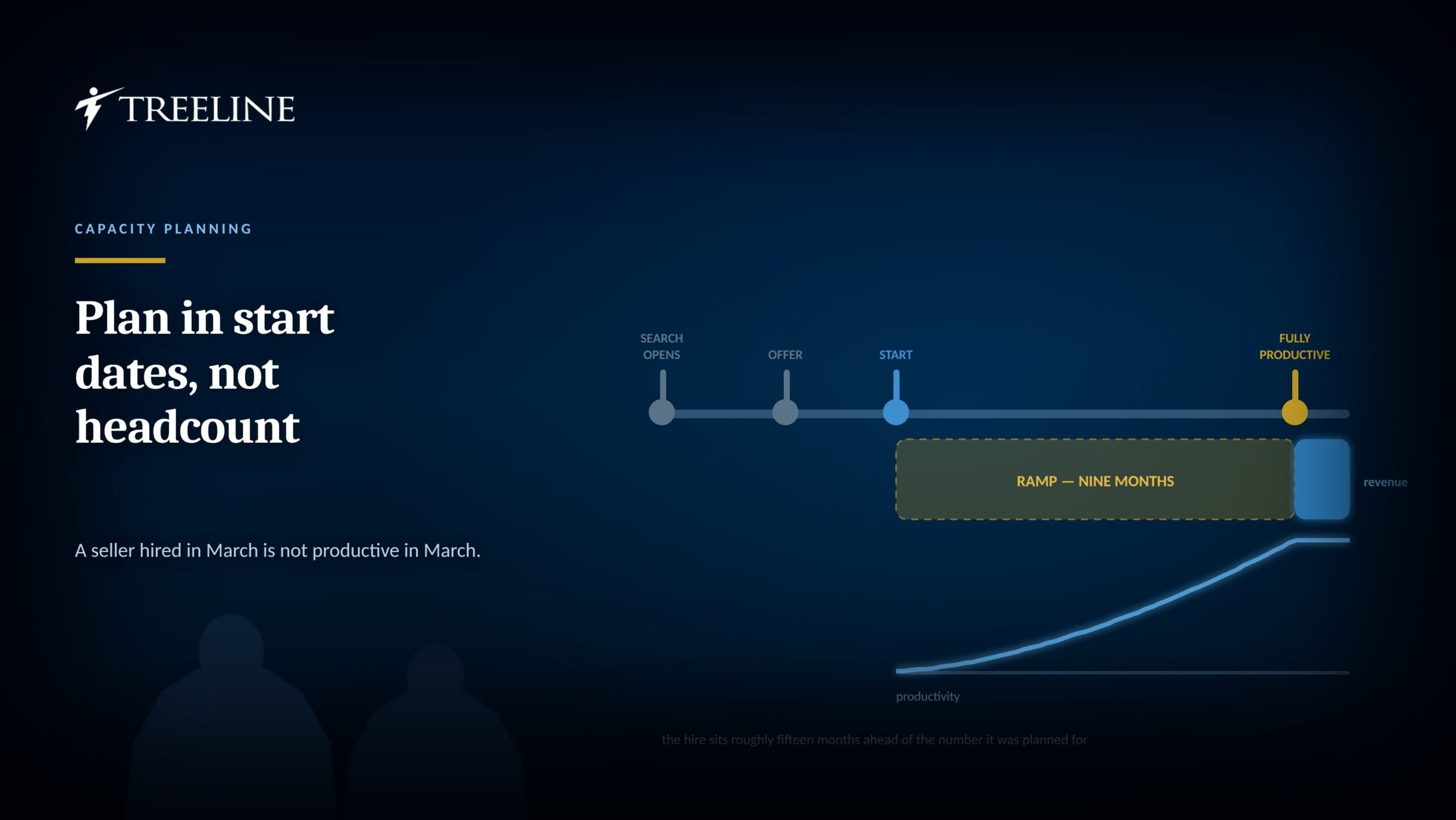
- Ramp up times for new hires
- Average sales cycle duration
- Churn rates and turnover among sales reps
This analysis can reveal trends, such as whether you consistently lose key performers or if turnover spikes in certain roles. It also helps determine if new hires are struggling due to poor onboarding, unclear quotas, or mismatches in job expectations.
2. Historical Hiring Success and Cost Analysis
A deep dive into prior recruiting processes is a foundational step. Assess:
- Time to fill open sales roles
- Cost per hire (including advertising, agency fees, and internal HR labor)
- Quality of previous hires, tracked through retention and performance data
- Candidate pipeline quality and source effectiveness
These figures offer insight into both efficiency and effectiveness, highlighting bottlenecks where candidates stall or drop out, and uncovering sources that produce long term hires. Understanding these trends enables you to set fair expectations and advocate for the right support from contingency executive recruiters.
3. Employer Brand Strength in the Sales Market
Strong employer branding is a magnet for sales talent. Evaluate your business’s presence on professional networks like LinkedIn, recent Glassdoor reviews, and the strength of your employee referral program. Top salespeople are likely to respond to personalized outreach when your brand is associated with career growth, top tier compensation, and strong leadership. If your reputation in the marketplace is lacking, even the best contingency sales recruiters may find it tough to secure “A” players for your team.
4. Clarity of Role Definition and Career Pathing
Uncertainty around responsibilities, quotas, and advancement will deter qualified candidates. Before engaging a contingency sales recruiting agency, ensure your job descriptions are detailed, realistic, and aligned with market expectations. Think through performance benchmarks and map how new hires can advance over time. This clarity arms recruiters with specifics that engage and incentivize top talent from the outset.
5. Technology and Process Readiness
Evaluate whether your current sales and HR systems can support a streamlined hiring process. Look at your use of CRM systems, applicant tracking systems (ATS), and onboarding platforms. When preparing for an influx of candidates from contingency sales staffing partners, well integrated technology ensures timely communication, milestone tracking, and a high quality experience for candidates and hiring managers alike.
Organizing this data and sharing selected highlights with your contingency recruiting partner will help define success, and set the stage for a partnership centered on clear, measurable goals.
How Sales Analytics and Market Data Impact Your Recruiting Decisions
Leaders in sales hiring are increasingly leveraging analytics to outmaneuver the competition. Harnessing relevant sales and market data before committing to a contingency sales recruiter not only aids in defining hiring objectives but also uncovers untapped opportunities for growth. Here’s how a strategic approach to analytics drives a more informed recruiting investment.
Harnessing Internal Sales Data
Data driven sales organizations use objective insights to spot gaps and highlight hidden potential. For example, if your current team is outperforming industry averages on conversion rates but lagging in lead generation, new hires may need to possess exceptional prospecting skills. By presenting this context to a contingency sales recruiting agency, you help them focus search efforts and source candidates who align with your sales motion.
Sales analytics also help unlock optimal compensation packages. Benchmarking salary, commission structures, and incentive programs against market averages helps avoid lowball offers that risk losing top candidates halfway through the hiring process. The best contingency executive recruiters use this data to fine tune candidate pitches and avoid compensation misalignments.
Interpreting External Market Trends
Before investing in contingency based recruitment, it pays to research industry and geographic trends. Current market reports show that top sales salaries for B2B SaaS roles in major U.S. cities have grown by approximately 7-12% in the past year, with a notable spike in demand for candidates experienced in consultative selling. According to a recent Harvard Business Review article (2026), companies that benchmark their compensation and benefits against these trends report better hiring speed and less renegotiation risk.
Economic uncertainty, fluctuations in sector growth, and evolving buyer habits all have a direct effect on the success of your sales hiring strategy. By comparing your business’s needs with external data and the latest market outlooks, you sharpen your approach and minimize guesswork. This level of readiness separates companies who secure the right partners from those who settle for generic talent.
Leveraging Third Party Recruiting Insights
Reputable contingency sales recruiting agencies often have access to proprietary databases and up to date labor market information, offering clients additional perspective. For instance, Treeline’s internal tracking leverages a database of over 200,000 vetted sales professionals, providing their clients with near real time data on candidate availability, compensation trends, and placement speed. Engaging recruiters with strong analytics capabilities increases the likelihood of a quick, high quality match.
Gain personalized insights for your team, Book an introductory meeting with a sales recruiting strategist to interpret your analytics and align your search strategy.
Evaluating the Right Time and Triggers for Contingency Based Recruitment
Investing in contingency based recruitment isn’t always the default answer to every hiring challenge. Understanding the right timing and situational triggers ensures you avoid wasted effort and costs, while maximizing results.
Common Triggers That Signal Readiness
Employers most commonly turn to contingency sales recruiters when:
- An existing team lacks bandwidth for robust talent searches
- Open positions are stalling revenue projects or damaging client relationships
- In house recruiters or HR managers lack niche sales recruiting expertise
- Rapid company growth or new market expansion strains internal staffing capacity
- Unsuccessful outcomes with previous hiring methods require new solutions
For example, during a new product rollout, time to market is paramount. Engaging a contingency sales recruiting agency quickly injects fresh candidate options into your hiring funnel, ideally within days rather than weeks. Meanwhile, if your company is scaling from startup to established player, external recruiters help source leadership and quota carrying reps with proven track records, without draining internal resources.
Recognizing Internal Barriers
Even when external triggers are clear, organizational alignment remains critical. Internal barriers such as unclear hiring authority, slowed background checks, or decision making bottlenecks often derail promising searches. Employers must confront and resolve these obstacles before, or in tandem with, a recruitment agency engagement.
For instance, if interview panels are notoriously unresponsive or your company’s approvals process is convoluted, even top contingency search firms will struggle to maintain candidate interest. One way to avoid these pitfalls is by mapping out your entire hiring process before launching a search, highlighting possible sticking points and creating accountability among decision makers.
Balancing Cost, Quality, and Speed
Cost efficiency is a stated benefit of contingency based recruitment, since fees are paid only on a successful hire. Yet, without proper planning and readiness, costs can rise if searches stall, candidates drop out, or a poor match results in early turnover. Employers should use key financial benchmarks, such as average cost per hire and lost sales per vacancy, to estimate the real cost of delay or error.
Companies that determine their window of need, desired talent profile, and business case for each hire will always get the most from their partnership with contingency executive recruiters. They also establish benchmarks for evaluating the search process and outcomes.
Seasonality and Market Fluctuations
Sales hiring demand and candidate availability can ebb and flow throughout the year. Fiscal year end periods, product launches, and industry conferences often drive activity, both in hiring and candidate transitions. For high growth businesses, tapping into contingency sales recruiting agencies in sync with these seasonal markers ensures access to wider talent pools and boosts the odds of a successful placement.
Setting Realistic Expectations: What to Demand from Top Contingency Search Firms
Maximizing results from contingency sales recruiting means knowing not only what you want, but also what you should expect from a trusted partner. As the market for sales talent becomes increasingly competitive, employers must demand more than a stack of resumes. Understanding the standards upheld by top contingency search firms will help ensure you get both quality and speed without sacrificing your long term hiring goals.
Clear and Transparent Communication
Your chosen contingency sales recruiting agency should set up regular updates, whether that’s weekly candidate reports or real time ATS access. Transparency about candidate sources, progress, and feedback fosters mutual trust and enables course correction when needed. If an agency can’t articulate its outreach strategy or respond to queries promptly, that’s a clear red flag for employers.
Quality Over Quantity
The best contingency executive recruiters focus on submitting thoroughly vetted candidates, not inflating numbers to pad activity reports. Look for a partner with detailed candidate assessments, who explains not just work history but motivators, sales process expertise, relevant industry knowledge, and culture fit considerations.
A study published in Forbes (2026) verified that firms narrowing searches to pre-screened, high ROI candidates improved long term placement success by over 30% compared to firms who relied strictly on numbers.
Alignment on Timelines and Feedback
Sales hiring is a time sensitive endeavor. Discuss expectations for candidate submission timelines, interview feedback, and offer turnaround. Setting, and honoring, these milestones reduces the risk of drop offs. Top agencies even help push the process forward by facilitating schedules, prepping candidates, and pinpointing holdups.
Use of Modern Technology
Contingency sales recruiters should possess recruitment technology such as AI driven applicant tracking, smart talent matching, and digital candidate presentations (like Treeline Resume). These tools speed up search, present information in actionable formats, and deliver stronger candidate experiences.
Data Driven Reporting
Your recruitment partner should provide data on application volumes, sourcing channels, interview to offer ratios, and market compensation. Not only does this guide your process, but it empowers you to defend budget decisions and track ROI as placements ramp up.
Fee and Engagement Terms
Understand the agency’s fee structure (commonly 20-30% of first year’s compensation), payment triggers, replacement guarantees, and exclusivity clauses. Top agencies will define these terms clearly and fairly. If a recruiter hides their process or asks for up front fees outside standard contingency models, proceed with caution.
A well negotiated engagement creates stronger partnership and wallet alignment, a crucial element for employers who depend on consistent results.
Maximizing ROI: Ensuring Lasting Value from Contingency Executive Recruiters
Once you’ve invested in a contingency sales recruiting agency, the real work of maximizing return begins. Here’s how to ensure your spending pays off in the form of high performing, loyal sales staff:
Invest in Effective Onboarding
High value hires delivered by contingency sales recruiters need a welcoming environment and structured onboarding. Streamlining documentation, introducing clear KPIs, and setting up actionable 30 60 90 day plans help bridge the gap between promise and performance. Consider pairing new hires with experienced mentors to accelerate integration.
Data from industry leaders such as SHRM suggests that organizations with formal onboarding processes see 50% greater new hire productivity and 82% improvement in retention within the first year.
Gather and Analyze Performance Data Early
Establish a system for tracking early stage metrics, such as pipeline activity, meeting bookings, and closed revenue within an employee’s first 90 and 180 days. Match these against the data shared during the hiring process. Early warning signs of underperformance should trigger development plans, not delayed action.
Provide Timely Feedback to Your Recruiting Partner
Treat your relationship with contingency sales recruiters as ongoing, not transactional. Share new hire feedback, performance data, and evolving business goals. Constructive post placement feedback allows your agency to refine search strategies and candidate profiles going forward, delivering compounding benefits.
Foster Loyalty Through Engagement
It’s tempting to focus on “external” talent acquisition while neglecting internal culture. Engage new hires through inclusion efforts, clear communication, and opportunities for professional growth. This approach not only boosts retention but also turns fresh employees into future brand advocates.
Stay Agile with Your Hiring Strategy
Keep adapting your recruiting strategy based on new data, changing market conditions, and shifts in your business’s needs. Build regular check-ins with your contingency sales recruiting agency so they can keep pace with shifts in product focus, compensation trends, or new competitive threats.
By following these steps, employers consistently transform contingency based recruitment from a one time process into a competitive advantage, scaling faster, minimizing hiring mistakes, and retaining top sales professionals longer.
FAQ About Contingency Sales Recruiting Agencies, Metrics, and Success
What is contingency sales recruiting and how does it differ from retained search?
Contingency sales recruiting is a hiring model where agencies are only compensated when a candidate is successfully placed in a role. Retained search, in contrast, involves upfront payments and a more exclusive partnership, often used for executive level roles. Many employers prefer contingency based recruitment for mid level sales positions due to the pay on results structure, faster engagement, and broader candidate reach.
How should employers assess internal readiness before engaging a contingency sales recruiting agency?
Employers should start by reviewing sales performance metrics such as revenue per rep, turnover rates, and historical hiring data. Evaluating the clarity of your job descriptions, onboarding processes, and technology systems is also important. Accurate measurement of these factors ensures a more productive partnership with contingency sales recruiters and supports better quality hiring outcomes.
What KPIs are most important to track when evaluating the effectiveness of a contingency sales recruiting agency?
Key performance indicators include time to fill, candidate quality (measured by new hire performance metrics), interview to offer ratios, and retention rates. Transparent reporting on these metrics from your chosen contingency sales recruiting agency will help assess the true impact of the engagement and the agency’s value to your business.
What are some signs of an effective contingency sales recruiting agency?
A strong contingency sales recruiting agency provides responsive communication, presents only pre vetted and well matched candidates, and supports you with market insights and compensation benchmarks. They use modern technology, facilitate feedback, and offer clear fee structures. Agencies that focus on partnership, rather than transactional placements, consistently produce better hiring results.
Why is sales analytics important before investing in a contingency based recruitment strategy?
Sales analytics provide a factual basis for identifying hiring needs, setting compensation, and defining success metrics. By analyzing internal sales data and external market trends, businesses streamline hiring priorities and ensure their partnership with a contingency sales recruiting agency delivers the right candidates for immediate and future growth.
Share This Story, Choose Your Platform!
Related Posts

What our happy clients are saying
Treeline Inc. provided us with the most candidates that aligned with our needs and were of the highest quality.

Dr. Jeffrey Klein Head of North America Sales, Satchel Pulse
Treeline Inc.’s collaborative, flexible, and communicative approach resulted in a smooth partnership. Beyond their recruitment expertise, their unique sourcing model was efficient and effective.

Sera Holt Director of Operations, LNS Research
Their professionalism was outstanding. Treeline Inc. was extremely thorough and ensured that we were on the same page before they started looking for candidates. They listened to us and did a great job working with the candidate to close out the process.

Cate Grant AVP Customer Success, Nasdaq
Thanks to Treeline Inc.’s intricate and thorough screening process, the company is able to hire six high-quality candidates that fit perfectly in the company’s culture. The team is highly receptive to concerns, and internal stakeholders are impressed with their unique recruitment abilities.

Anna McKean Sales Recruiter, Insider Intelligence
Treeline Inc. has been qualified individuals throughout a five-year-long engagement. They’ve made numerous placements of talented and qualified individuals for our business.

Michele St Laurent VP of HR, The Institute for Applied Network Security

Let Us Help You Source the Sales Talent You Need
Whether you’re building a team or replacing a key role, our Candidate Sourcing Platform provides a fast, flexible, and employer-focused solution.
Tell us more about your business and how we can help.
Treeline Inc.
Your Award-Winning Sales Recruitment Partner
15 Lincoln Street, Suite 314, Wakefield, MA 01880