Understanding the Value Sales Headhunters Bring to Employers
Savvy business leaders appreciate that assembling the right sales team can dictate an organization’s trajectory. Today’s competitive landscape is marked by an overwhelming volume of job applicants – yet fewer truly stand out. For companies determined to rise above industry standards, sales headhunters offer strategic access to top-performing candidates who might otherwise remain hidden in the job market. The term “sales headhunters” refers specifically to specialized talent partners dedicated to identifying, attracting, and securing high-caliber sales professionals for employers.
The true value of engaging sales headhunters grows clearer once the distinctive dynamic between traditional recruiting and headhunting is understood. While general recruiters often manage a broad slate of roles, sales headhunters focus exclusively on sales environments. Their deep industry connections and nuanced understanding of sales methodologies, compensation models, and quotas enable employers to interview candidates with proven track records and technical mastery.
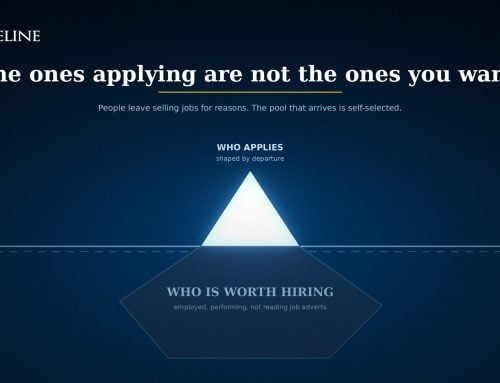
By leveraging established networks and advanced vetting tools, these professionals reduce the “time to hire” – one of the most pressing concerns for employers facing aggressive growth targets or market changes. Consider, for example, a rapidly scaling SaaS firm seeking to expand its enterprise sales division. Attempting to source and assess highly coveted sales leaders in-house might yield dozens of resumes, followed by weeks of interviews – yet still miss the passive candidates not actively applying. In contrast, a sales headhunter introduces relevant, pre-qualified candidates often in a matter of days.
Moreover, sales headhunters actively manage the candidate experience. This includes direct outreach to coveted “A-players,” discreet inquiries respecting confidentiality, and transparent communication between employer and candidate. By fine-tuning every step, they secure not just talent, but also candidates motivated to align with an employer’s culture and vision.
If you’re determined to build a high-performance sales team and avoid costly hiring missteps, partnering with a specialized sales headhunter should be a top consideration. Book an introductory meeting to explore how this targeted approach can accelerate your talent acquisition strategy: Book an Introductory Meeting.
Key Differences Between Sales Headhunters and General Sales Recruiters
Employers looking for the right talent acquisition strategy sometimes conflate the terms “sales headhunters” and “sales recruiter.” Yet, subtle distinctions set them apart, and understanding these differences is vital for organizations aiming to fill niche or urgent sales roles with optimal candidates.
A sales recruiter typically supports a wide array of companies filling high-volume or entry-level positions. Their networks are often broad but may lack depth within specific verticals. These professionals excel at processing large candidate pools, hosting job fairs, or managing early-career talent pipelines. Because of their generalist mandate, sales recruiters can be a fit for ongoing junior hires or for supplementing seasonal teams.
Sales headhunters, by contrast, concentrate their efforts on targeted searches for highly experienced and desirable individuals – often approached before these professionals ever consider a job change. Headhunters distinguish themselves through direct outreach, personal engagement with passive talent, and confidential negotiations. Their approach leans heavily on relationship capital developed over years in the sales ecosystem. This focus on executive or specialized placements is why companies trust headhunters when hiring for roles like VP of Sales, Regional Director, or pivotal enterprise account managers.
Another differentiator lies in process and tools. Reputable sales headhunters deploy proprietary assessment methods to go beyond resume reviews – for instance, behavioral interviews, data-driven screening, and peer referencing. Using platforms such as the Treeline Resume™ or sophisticated internal talent-matching systems, headhunters can quickly pair a company with candidates uniquely suited to its market, revenue goals, and sales cycles.
A further advantage stems from their strategic advisory capacity. Unlike transactional sales recruiters, headhunters often work alongside C-suite leaders and boards to consult on compensation packages, onboarding structures, and even team reorganization. According to a recent article in Harvard Business Review (2024), organizations that engage specialist headhunters fill high-impact roles 47% faster and report greater retention after twelve months compared to those relying solely on traditional recruiting channels.
For employers who recognize that every sales hire is a direct investment in growth, understanding these distinctions is crucial. Collaborating with sales headhunters enables companies to tap into well-nurtured networks and gain insights into market salary trends or role demand. This ensures your hiring process remains competitive – unlocking access not just to available talent, but the right kind of talent.
Strategies for Preparing Your Organization to Work with Sales Headhunters
Making the most out of a partnership with sales headhunters begins long before the first candidate interview. Preparation allows employers to attract strong interest from elite candidates and signals professionalism during headhunter interactions. Here’s how leading organizations lay the groundwork for an efficient collaboration:
Define the Sales Role and Success Metrics
- Begin by crafting a data-driven job description that outlines not just daily activities, but anticipated results. For example, is your priority new logo acquisition, or does the position require deep experience penetrating legacy accounts? Are you seeking technical acumen for software demos, or do you need a charismatic hunter adept in relationship sales for long sales cycles? Investing time to specify territory, product line, target sector, reporting structure, and KPIs helps headhunters calibrate their search.
Clarify Employer Value Proposition
- Top-performing candidates expect more than compensation – they want to know how their efforts will impact the company and what unique advantages they’ll gain. Share insights about company culture, training investment, typical deal size, and advancement pathways. For instance, showcase diversity and inclusion initiatives, growth trajectories, or recent product launches that have shifted company momentum. This makes your opportunity attractive to those who may not be active job seekers.
Streamline Decision-Making
- One frequent frustration shared by both headhunters and candidates is slow, opaque hiring processes. Employers benefit by mapping out clear decision pathways, identifying stakeholders, and pre-scheduling interview time blocks. This agility reduces candidate dropout and strengthens your reputation among in-demand sales talent.
Align Compensation and Incentive Plan
- Sales professionals scrutinize OTE (on-target earnings), commission structures, bonus triggers, equity participation, and non-monetary incentives. Be transparent and realistic – consider using recent industry compensation reports to benchmark. For instance, the 2024 Sales Compensation Report by Glassdoor reveals median OTE increases for B2B SaaS sales roles, underscoring the importance of competitive packages to attract elite candidates.
Assign a Dedicated Internal Contact
- Provide your sales headhunter direct access to one empowered decision-maker or a lean hiring committee. This individual should understand the urgency, have hiring authority, and be positioned to provide near real-time feedback. Clear communication accelerates process flow and demonstrates organizational commitment.
Protect Confidential Information
- Working with headhunters often involves sharing company initiatives, future plans, or M&A activity. Set clear boundaries on confidentiality and NDA execution so sensitive details never leak during outreach.
Implementing these steps before formally engaging a sales headhunter can dramatically improve the quality of candidate submissions. It also strengthens your position as an employer of choice – especially important for attracting “off-the-market” talent who value transparency and clarity in career moves.
Ready to experience a proactive, results-oriented hiring process? Book an introductory meeting to discuss your precise hiring needs with one of the nation’s leading sales headhunter partners: Book an Introductory Meeting.
How to Evaluate and Select the Right Sales Headhunting Partner
Choosing the right sales headhunter partnership can impact not just your next hire, but your overall go-to-market momentum. Employers gain a long-term recruitment ally when their chosen firm exhibits proven expertise, reliability, and an authentic understanding of sales dynamics. Here’s a framework to guide the decision:
Industry Specialization and Track Record
Begin by verifying candidate placements and performance in your specific sector. Some headhunters excel in SaaS, healthcare, or manufacturing sales, while others may skew toward enterprise or startup environments. Request recent examples – such as, “How many business development leaders have you placed in B2B fintech over the past year?” Look for documented success stories involving high retention and rapid onboarding.
Assessment and Vetting Process
Investigate how finalists are selected. Are proprietary screening tools like performance-based resumes or workflow simulations employed? Is there a clear rubric for evaluating sales cycles, quota achievement, or customer mix? The best partners go beyond keyword-matching resumes, utilizing structured interviews and comprehensive background checks. For instance, Treeline’s technology-enabled process leverages detailed candidate data, reducing the risk of costly mis-hires and shortening the hiring cycle.
Candidate Experience Management
The employer brand gets scrutinized during the hiring journey, making it crucial that prospective headhunters manage the candidate experience well. From initial outreach, through interview coordination, to final offer discussions, timely communication, honest feedback, and transparency matter. A 2024 LinkedIn Talent Solutions report notes that companies who prioritize a positive candidate experience improve offer acceptance rates by 38%. Ask for examples of how the headhunter integrates candidate care into their workflow.
Engagement Models and Service Flexibility
Headhunting agreements range from contingency-based to retained or exclusive search projects. Clarify which structure aligns with your budget, urgency, and role sensitivity. Flexible models – like project-based sourcing or membership recruiting – offer options for employers looking to scale teams or test-fit the headhunter relationship. Compare terms, replacement guarantees, and post-placement support (such as 90-day check-ins or performance reviews).
Market Intelligence and Employer Branding Support
Beyond candidate search, industry-best sales headhunters support hiring managers with compensation benchmarking, competitor mapping, and market insights. This information proves invaluable when shaping offers or understanding real-time talent trends. For example, a top-tier headhunting firm might provide quarterly updates on salary benchmarks or supply pipeline analytics, helping employers adjust their recruitment strategies proactively.
Reputation, Awards, and References
Finally, assess public recognition, third-party reviews, and leadership visibility. Search for recent awards or citations in respected media outlets. For example, firms featured in Forbes’ Best Recruiting Firms 2025, recognized by Inc. as Best Workplaces, or commended by Clutch are signaling industry trust and results. Ask for client referrals who can share outcomes from engagements similar in scope to your hiring goals.
Taking the time to evaluate all these elements ensures that your sales headhunter investment delivers measurable business value – for this search and the next.
Optimizing the Collaboration: Best Practices for Employers
Once the contract is signed, maximizing your investment in sales headhunters requires more than just waiting for resumes. The most successful employers treat headhunters as strategic partners, engaging in active, collaborative relationships. Here’s how to generate the greatest impact:
Transparent Communication
Share organizational updates, evolving business objectives, and upcoming changes that may influence talent needs. For instance, a planned expansion, product pivot, or new leadership can impact required competencies or geographic focus. Open communication allows headhunters to quickly adapt their search parameters and keep your candidate pipeline robust.
Feedback Loops and Agile Adjustments
Provide prompt, constructive feedback on the caliber and fit of submitted candidates. If early candidates miss the mark, clarify why. Specify whether gaps center on industry expertise, sales philosophy, or cultural alignment. This direct feedback shortens the learning curve, so the headhunter can recalibrate future submissions in real time.
Encourage Two-Way Dialogue
Invite insights from your headhunter partner. Ask, “What are you seeing regarding candidate motivations, counteroffers, or market shifts?” Trusted partners share intelligence that empowers employers to respond creatively during negotiations or address candidate hesitations proactively.
Involve Stakeholders Early
Bring in sales leadership, operational stakeholders, and HR decision-makers at the outset. This collaborative involvement avoids the bottleneck that can emerge if new stakeholders join later, forcing the headhunter to restart screening or change criteria. Early and full participation, including alignment on interview rubrics and role requirements, supports a cohesive, timely process.
Champion the Candidate Experience
Remember, elite candidates often have multiple offers and weigh their candidate experience heavily. Coordinate fast turnaround on interview scheduling. Share feedback promptly. Personalize your approach – whether through handwritten welcome notes ahead of final interviews or forums for candidates to ask leadership questions. According to this 2024 SHRM research article, 65% of sales professionals decline offers primarily due to poor candidate experience or lack of follow-up from a prospective employer.
Recognize and Reward Outcomes
Treat your chosen sales headhunter as part of the hiring team’s success. Regular touchpoints and debriefs, especially after major placements, enable fine-tuning and set the stage for lasting partnerships. Acknowledge their contributions through testimonials, referrals, or opportunities to contribute to workforce planning sessions.
Effective collaboration not only leads to successful initial hires – it builds a foundation for ongoing talent acquisition, helping employers weather industry cycles and secure a pipeline of future leaders. To turbocharge your hiring success, schedule a direct conversation now: Book an Introductory Meeting.
Overcoming Common Challenges When Engaging Sales Headhunters
While working with sales headhunters presents many advantages, employers sometimes face predictable challenges that can stall the hiring process or dilute desired outcomes. Understanding these pitfalls – and strategies to avoid them – will ensure a smoother collaboration and more successful placements.
Misaligned Expectations on Role Scope
- A frequent issue is ambiguity around the nature of the role or unrealistic expectations tied to required experience. Some employers may overestimate the talent pool for highly specialized roles, leading to frustration when the headhunter struggles to deliver. On the other hand, under-communicating about evolving company needs can stall progress. To counter this, invest early in alignment sessions. Set clear, realistic timelines, calibrate the “must-have” and “nice-to-have” list, and update when priorities shift. Tools such as online project management dashboards or structured intake forms support this process.
Market Competition and Counteroffers
- In competitive talent markets, qualified candidates field multiple offers – and current employers fight hard to retain top sellers. There’s also the risk that highly desirable talent will use external offers as leverage. Employers can mitigate this challenge by partnering with headhunters who keep open communication lines, provide regular market intelligence, and pre-screen for genuine candidate motivations. Consider structuring initial outreach to include strong execution and closing incentives, as well as defining “sign-on” or relocation support where appropriate.
Candidate Experience Shortfalls
- Lost candidates often cite lack of transparency, slow feedback, or impersonal interactions as major drawbacks. Headhunters and employers should jointly map a candidate journey – setting expectations for communication, response timelines, and next steps. For example, ensuring all interviewers use a consistent framework for evaluating sales performance or culture fit. As highlighted by SHRM’s 2024 study, even a three-day delay in feedback can push worthy candidates into competitors’ pipelines.
Confidentiality Concerns
- Employers sometimes hesitate to share sensitive business updates, fearing leaks to industry competitors or current staff. Professional headhunters operate under strict confidentiality policies, using NDAs and tightly controlled communications. Designating a single point of contact inside the employer organization streamlines workflow and reduces risk of miscommunication or inadvertent disclosure.
Post-Placement Support
- The hiring journey doesn’t end with candidate sign-off. Employers report higher satisfaction when headhunters provide onboarding check-ins and performance reviews after the hire. These follow-ups help ensure role transition and ramp-up are smooth, flagging any emerging issues early.
Industry Example:
A national technology distributor needed a new regional VP of Sales with deep channel experience. Market competition was fierce, and internal recruiters failed to surface qualified candidates. By engaging a sales headhunter with established industry contacts, the employer received a short list within five business days. Three out of five candidates reached final rounds, with the chosen hire accepting an offer two weeks later. The candidate went on to exceed first-year quota by 15%, demonstrating the tangible return on working with specialist sales headhunters and investing in a professional, positive candidate experience.
Challenges will always arise when competing for revenue-driving talent. However, proactive engagement, mutual trust, and open collaboration with your chosen sales headhunter pave the way for successful outcomes that boost company reputation and revenue alike.
Frequently Asked Questions About Sales Headhunters for Employers
What is the main advantage of using a specialized sales headhunter over a traditional recruiter?
Specialized sales headhunters dedicate their expertise and networks to sourcing experienced candidates who might not be actively seeking new roles. Their familiarity with niche sales functions, compensation strategies, and passive candidates enables employers to access higher-quality shortlists and fill critical roles more quickly than generalist recruiters.
How can employers ensure a positive candidate experience during the headhunting process?
Employers can improve the candidate experience by streamlining scheduling, providing prompt feedback, and communicating transparently about next steps. Collaborative partnerships with headhunters who prioritize candidate engagement – through personal outreach, clear timelines, and ongoing updates – result in higher offer acceptance rates and candidate satisfaction.
What metrics should employers track when working with sales headhunters?
Key metrics include time-to-fill, candidate retention rates, first-year sales performance of hires, and feedback from both candidates and hiring stakeholders. Tracking these helps assess the true business impact of your headhunter partnership and informs future hiring strategies.
Are sales headhunters only for executive roles, or can they help with frontline positions too?
While sales headhunters often focus on senior or high-impact roles, many offer solutions for mid-level or frontline sales positions, especially in competitive markets or specialized industries. Their tailored approach – whether for a VP or territory development rep – ensures optimal fit and performance.
How should employers select among multiple sales headhunter firms?
Evaluate potential partners by assessing their industry expertise, placement success stories, client testimonials, process transparency, and reputation in the field. Look for firms with a proven record of aligning talent with business goals within your sector rather than just those with the lowest fees.
Share This Story, Choose Your Platform!
Related Posts
What our happy clients are saying
Treeline Inc. provided us with the most candidates that aligned with our needs and were of the highest quality.

Dr. Jeffrey Klein Head of North America Sales, Satchel Pulse
Treeline Inc.’s collaborative, flexible, and communicative approach resulted in a smooth partnership. Beyond their recruitment expertise, their unique sourcing model was efficient and effective.

Sera Holt Director of Operations, LNS Research
Their professionalism was outstanding. Treeline Inc. was extremely thorough and ensured that we were on the same page before they started looking for candidates. They listened to us and did a great job working with the candidate to close out the process.

Cate Grant AVP Customer Success, Nasdaq
Thanks to Treeline Inc.’s intricate and thorough screening process, the company is able to hire six high-quality candidates that fit perfectly in the company’s culture. The team is highly receptive to concerns, and internal stakeholders are impressed with their unique recruitment abilities.

Anna McKean Sales Recruiter, Insider Intelligence
Treeline Inc. has been qualified individuals throughout a five-year-long engagement. They’ve made numerous placements of talented and qualified individuals for our business.

Michele St Laurent VP of HR, The Institute for Applied Network Security

Let Us Help You Source the Sales Talent You Need
Whether you’re building a team or replacing a key role, our Candidate Sourcing Platform provides a fast, flexible, and employer-focused solution.
Tell us more about your business and how we can help.
Treeline Inc.
Your Award-Winning Sales Recruitment Partner
15 Lincoln Street, Suite 314, Wakefield, MA 01880