Rethinking How You Recruit Sales Professionals for High-Performance Teams
Recruiting sales professionals has become a mission-critical task for growth-focused companies across the U.S. The landscape for sales talent acquisition has shifted with the rise of digital sourcing, remote work, and greater competition for top performers. In the current marketplace, landing skilled salespeople can unlock major growth, but the wrong hiring approach leads to missed quotas, lost opportunities, and mounting team costs. For sales recruiters and business leaders, understanding the process to recruit sales professionals – from strategy to candidate experience – is essential.
Why does the approach matter so much? Successful recruitment builds the foundation for a high-performing sales organization. According to a 2024 Harvard Business Review report, companies with structured, strategic hiring processes see 42% higher sales quota attainment and 50% lower turnover than those using ad-hoc methods. Employers who treat sales hiring as an ongoing priority – rather than an emergency – are not only faster to market, but also build more loyal and effective sales teams.
For those seeking practical steps, proven examples, and advice on creating a winning sales hiring program, this guide details actionable tactics. You’ll learn how to go beyond the typical job posting, engage sought-after candidates, and shorten your hiring cycle – without sacrificing candidate experience or sales performance. Book an introductory meeting today to discuss your recruiting strategy and get expert guidance.
Defining Who You Need: Mapping Ideal Sales Candidate Profiles
For any effective hiring strategy, clear role definition is the launching point. Too often, companies start their quest to recruit sales professionals by circulating generic job ads or recycling outdated role descriptions. This approach creates confusion, weakens your talent pool, and disappoints both hiring managers and candidates.
Start with a role blueprint tailored to your current growth objectives and team structure. Define these key elements up front:
- Core Responsibilities: Outline what success looks like in the role. Is this person responsible for new business, renewals, or upselling existing accounts?
- Required Experience: Specify preferred industries, deal sizes, or sales cycles managed. For instance, seeking a sales recruiter for SaaS sales differs from B2B manufacturing.
- Personality and Soft Skills: Top sales talent excel at relationship-building, persistence, and adaptability. Identify skills that fit your organizational culture.
- Performance Metrics: Be explicit about targets, quotas, and KPIs so candidates understand your expectations.
High-growth companies often build “persona profiles” for sales candidates, leveraging data from top performers. For example, if your most reliable SDRs share backgrounds in customer service and thrive in fast-growth cultures, codify this pattern in your job requirements. Aligning with a sales staffing partner or consulting an experienced sales recruiter can further clarify what realistic, high-performing benchmarks look like. Consider regular calibration between hiring managers, HR, and executive sales recruiters to refine these profiles as the market shifts.
Investing this level of planning up front creates focus throughout the search, improves hiring efficiency, and sets the stage for a positive candidate experience.
Sourcing Sales Talent: Building a Multi-Channel Outreach Strategy
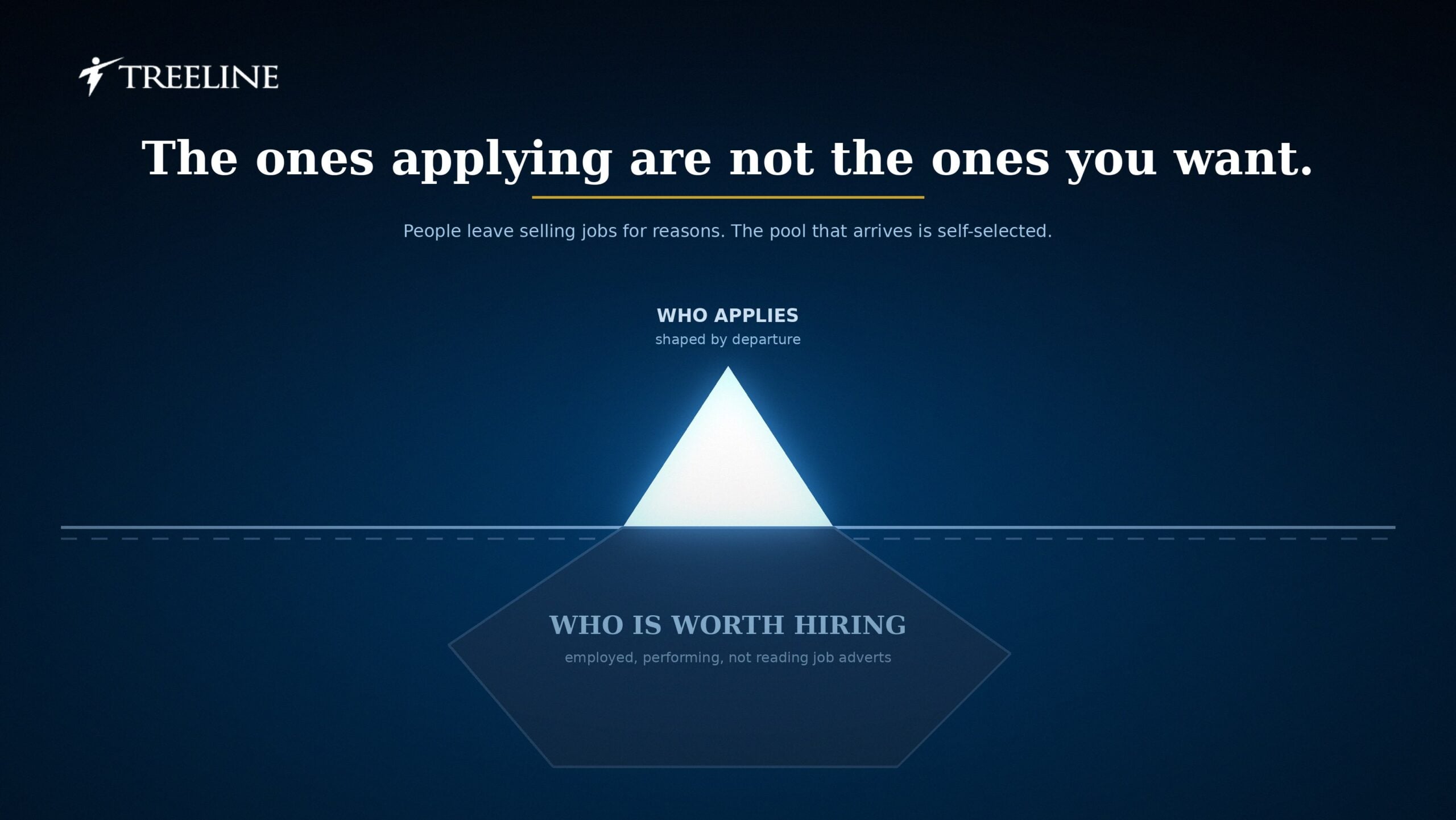
Once you’ve defined your ideal candidate, the next challenge is finding and engaging top-tier talent. The “post-and-pray” method – simply listing on job boards – rarely reaches high-performing sales professionals, who are often already engaged or being courted by your competitors.
Modern recruiting sales professionals requires a multi-pronged outreach strategy, which may include:
Talent Networks & Recruitment Agencies
Partner with specialized sales recruiting agencies – like those with dedicated databases of vetted sales talent – to tap into active and passive candidates. Sales staffing firms often use proprietary technology and outreach techniques to accelerate connections.
LinkedIn & Digital Platforms
Business-oriented platforms remain central to sales recruiting. Use advanced searches, targeted ads, and personalized InMail campaigns to reach candidates matching your profile.
Employee Referral Programs
Incentivize your own sales recruiters and current team members to refer high-caliber talent. Employee-generated leads often yield better candidate experience and stronger cultural fit.
Passive Candidate Engagement
Passive recruiting – identifying and warming up talent not actively seeking new roles – can reveal overlooked gems. Approach these candidates with personalized outreach and conversations about their career goals.
Recruitment Events and Networking
Attend industry conferences, webinars, and hiring events focused on sales professionals. Digital networking groups or regional meet-ups can also surface untapped talent.
Recent industry data by the Sales Management Association shows that companies employing a mix of these sourcing tactics fill roles 30% faster and report improved candidate quality.
This hybrid approach allows employers to maximize reach, uncover hidden talent, and maintain brand control throughout the process. For help designing a sourcing strategy tailored for your industry or region, book an introductory meeting with a reputable partner.
Screening and Interviewing: Evaluating Sales Ability Beyond the Resume
Assessing sales talent goes far beyond checking years of experience or company logos on a resume. Sales is a performance-based profession – one where numbers, stories, and behavioral traits matter as much as background. Effective recruiting of sales professionals in today’s landscape requires a multi-layered assessment process to reveal true fit.
Structured Phone Screens:
Start with initial phone interviews geared to gauge communication skills, energy, and selling approach. Prepare targeted questions around quota attainment, deal complexity, and specific wins relevant to your market.
Behavioral Assessments & Role Plays:
Incorporate behavioral-based interviewing to evaluate how candidates handle pressure, overcome objections, or adapt to change. Practical role-play scenarios – such as delivering an elevator pitch or handling a challenging buyer – offer firsthand insight into selling style and product comprehension.
Sales Assessments and Scores:
Assessment tools are increasingly leveraged by both internal sales recruiters and external agencies to gauge technical sales ability, cognitive aptitude, and even motivation. Many leading sales staffing providers employ proprietary “sales scores” that predict on-the-job success.
Panel or Sequential Interview Rounds:
Structure multiple interviews with team leaders, sales managers, and peers. This exposes candidates to your actual sales environment and allows for collective feedback.
Reference Checks & Performance Validation:
Before extending any offer, validate candidate references and request quantitative proof, such as sales rankings or awards. Cross-reference achievements with past employers whenever possible.
These steps help separate candidates who present well from those with a track record of quota achievement and real results. Moving beyond surface-level screening to a holistic view of skills prevents costly mis-hires – a lesson many teams have learned the hard way.
Candidate Experience: Winning Top Sales Talent With Process & Transparency
With competition for sales professionals at an all-time high, candidate experience can make or break your hiring efforts. Even strong employer brands can lose out if their recruiting process is too slow, opaque, or impersonal. Employer reputation and word-of-mouth spread quickly within tight-knit sales networks, so pay attention to each touchpoint.
Clear Communication:
Set expectations from day one – share role details, timelines, and next steps upfront. Automated emails paired with authentic check-ins prevent candidates from feeling “ghosted.”
Interview Feedback:
Offer prompt, actionable feedback after interviews, regardless of outcome. This earns respect from sales professionals, many of whom receive multiple offers.
Consistent Branding:
Reinforce your sales team culture and growth vision throughout every recruiting interaction. Share stories of advancement and highlight incentives or training programs.
Streamlined Processes:
Minimize delays with organized scheduling and internal alignment. Tools that speed up assessment and scheduling – such as modern applicant tracking systems or digital interview platforms – help eliminate friction.
Recognition & Rewards:
Consider offering “candidate bonuses” for star hires or referral rewards to sales recruiters who bring in high performers.
A positive candidate experience isn’t just about good manners; it directly impacts offer acceptance rates and sets the tone for long-term retention. According to SHRM’s 2024 Talent Acquisition Study, organizations excelling at candidate experience improved their offer acceptance rate by 22% and decreased first-year attrition.
By prioritizing transparency and humanity throughout the recruitment lifecycle, companies position themselves as employers of choice for sales professionals. This approach turns skilled applicants into engaged team members ready to drive results.
Speed, Data, and Technology: Optimizing the Sales Hiring Funnel
The pace of modern business demands that sales hiring processes keep up. Companies can’t afford a slow, inefficient approach to recruiting sales professionals – top candidates often accept rival offers in a matter of days, not weeks. Speed, however, must not come at the expense of rigor.
Adopt a Streamlined Hiring Workflow:
Lay out a well-defined process covering each recruiting stage – from sourcing and screening to interview feedback and offer negotiation. Share process timelines with your internal sales recruiter, hiring managers, and any agency partners up front.
Leverage Data and Automation:
Modern hiring platforms allow you to scan resumes for key criteria, automate interview scheduling, and even track analytics around sourcing channels and candidate engagement. Savvy employers review win/loss data monthly, adapting sourcing tactics and job descriptions as hiring needs evolve.
Real-World Example:
A tech-enabled sales recruiting agency recently reduced time-to-fill for enterprise sales positions by 40% using a proprietary resume tool combined with a managed talent-matching platform. By automating candidate search and initial screening, the agency freed up hiring managers for in-depth evaluation – improving both speed and quality.
Benchmark Key Metrics:
Monitor average days-to-hire, interview-to-offer ratios, and post-hire retention rates. These figures, available through most modern Applicant Tracking Systems (ATS) or in partnership with a sales staffing provider, pinpoint process bottlenecks.
Keep the Human Touch:
Digital tools are essential, but one-on-one conversations and personalized outreach remain central to the candidate experience. Technology should enhance, not replace, the thoughtful touch employers use to recruit sales professionals who align tightly with their mission and goals.
For guidance on blending technology and personalized recruiting strategies tailored for your sales organization, don’t hesitate to book an introductory meeting and start planning your next winning hire.
Frequently Asked Questions About Recruiting Sales Professionals
How do I attract top sales talent in a competitive market?
Top sales professionals are drawn to organizations offering growth opportunities, a clear commission structure, and cultures of recognition. Make your hiring process transparent and responsive, highlight your sales team’s achievements, and share real stories about career progression. Consider leveraging sales recruiter networks and employee referrals for greater reach.
What are the most common mistakes employers make when hiring salespeople?
Common pitfalls include relying solely on resume screening, moving too slowly, and failing to define success metrics for the role. Employers should use structured hiring processes, behavioral assessments, and clear communication to minimize these risks.
How can I improve candidate experience during the sales recruitment process?
Set expectations early, provide timely feedback, and maintain consistent communication. A streamlined process – without unnecessary delays – builds trust and keeps candidates engaged until final decisions are made.
Do sales recruitment agencies really speed up the hiring process?
Yes, reputable sales recruiting agencies reduce time-to-hire by providing access to pre-vetted candidates, industry-specific screening tools, and experienced sales recruiters. They can present candidates within days, sometimes even within 72 hours for critical roles.
What should I look for when evaluating sales recruiter partners?
Seek partners who specialize in your industry or sales function, offer transparent candidate insights, and maintain a strong track record of successful placements. Discuss tools, processes, and expected timelines to ensure alignment with your internal team.
Share This Story, Choose Your Platform!
Related Posts

What our happy clients are saying
Treeline Inc. provided us with the most candidates that aligned with our needs and were of the highest quality.

Dr. Jeffrey Klein Head of North America Sales, Satchel Pulse
Treeline Inc.’s collaborative, flexible, and communicative approach resulted in a smooth partnership. Beyond their recruitment expertise, their unique sourcing model was efficient and effective.

Sera Holt Director of Operations, LNS Research
Their professionalism was outstanding. Treeline Inc. was extremely thorough and ensured that we were on the same page before they started looking for candidates. They listened to us and did a great job working with the candidate to close out the process.

Cate Grant AVP Customer Success, Nasdaq
Thanks to Treeline Inc.’s intricate and thorough screening process, the company is able to hire six high-quality candidates that fit perfectly in the company’s culture. The team is highly receptive to concerns, and internal stakeholders are impressed with their unique recruitment abilities.

Anna McKean Sales Recruiter, Insider Intelligence
Treeline Inc. has been qualified individuals throughout a five-year-long engagement. They’ve made numerous placements of talented and qualified individuals for our business.

Michele St Laurent VP of HR, The Institute for Applied Network Security

Let Us Help You Source the Sales Talent You Need
Whether you’re building a team or replacing a key role, our Candidate Sourcing Platform provides a fast, flexible, and employer-focused solution.
Tell us more about your business and how we can help.
Treeline Inc.
Your Award-Winning Sales Recruitment Partner
15 Lincoln Street, Suite 314, Wakefield, MA 01880